

Most pages about this leave sellers with the impression that an Oregon sale needs a bill of sale on top of a signed title. That is not what DMV says.
DMV's instruction is to sign and date either the back of the title or a bill of sale. Either. For an ordinary transfer it is an alternative, not an addition.
And the more useful point is what the document does once you have one. A bill of sale is evidence, not a mechanism. It records that a sale happened. It does not move ownership, and it does not take your name off the record.
QUICK ANSWER
An Oregon vehicle bill of sale should identify the vehicle by VIN, contain a statement releasing the seller's interest, and show the seller's printed name, signature and the date of sale — the five things DMV names. Record the buyer's legal name and address too. For an ordinary transfer DMV asks you to sign and date either the back of the title or a bill of sale, so a separate Form 735-501 is usually an alternative rather than something extra. Whichever you use, it is a record of the transaction, not a transfer of ownership.
01
What a bill of sale actually proves
It proves that a named seller released an interest in a specific vehicle to a named buyer on a specific date. That is genuinely valuable, and it is also the whole of it.
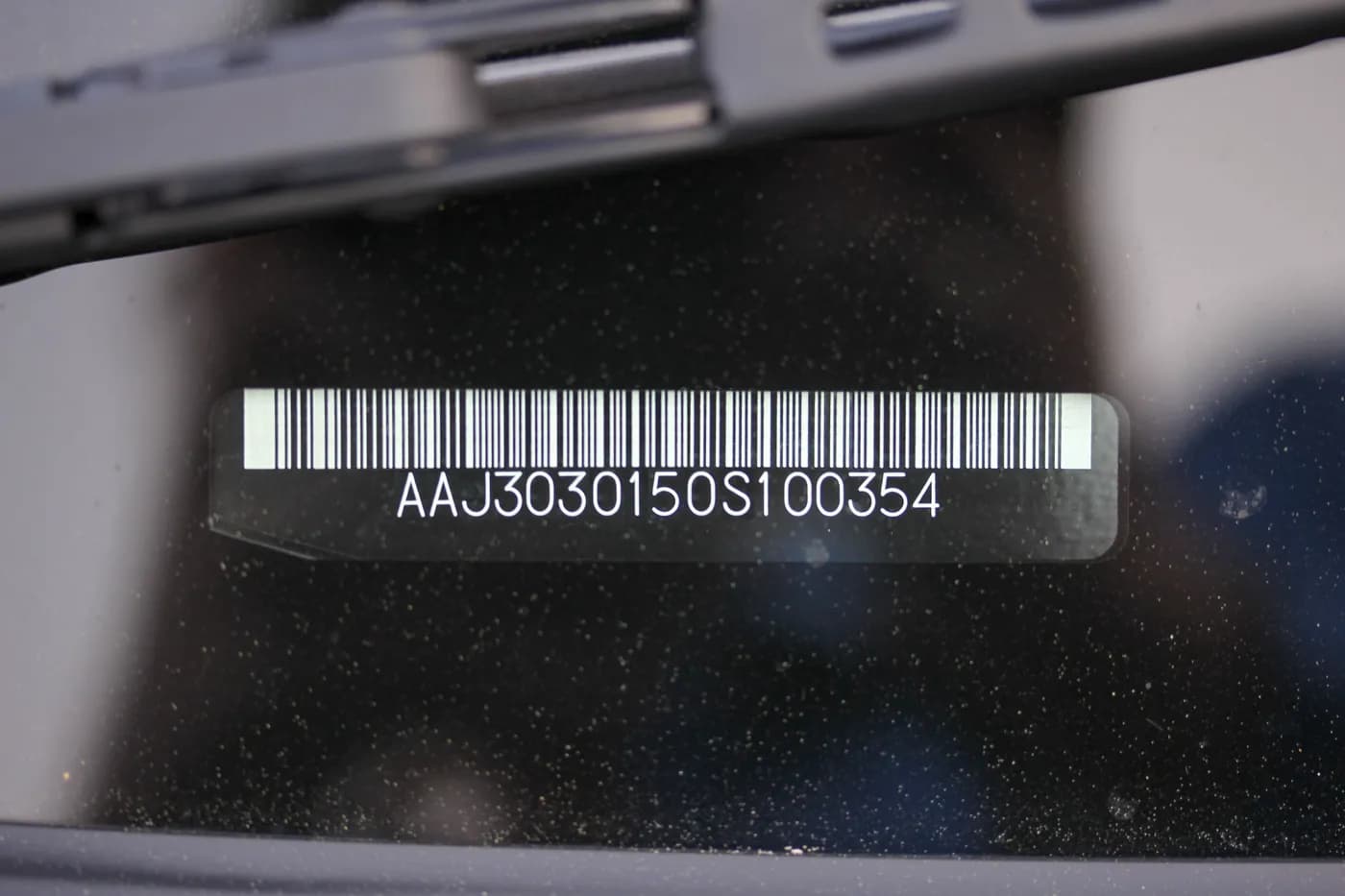
The VIN is the part that carries the weight. Model descriptions, trim names and colours are ambiguous and get written down wrong; the VIN identifies one vehicle and no other. A bill of sale without it is a story about a car rather than a record of one.
What it does not do is move ownership. DMV pairs the two halves in a single sentence: “DMV will note on your record that you sold the vehicle, but you will stay listed as the owner until the buyer transfers the title.” The but is carrying the point — DMV anticipates the misunderstanding, because notifying and transferring feel like one act and are not.
Which is exactly why the document is worth having. If the buyer never transfers the title, the record still points at you — and the bill of sale is the thing that establishes what you released and when. It is your evidence for a gap you cannot close yourself.
02
You probably do not need a separate one
This is the part that gets stated backwards almost everywhere, usually by pages that would like you to download a form.
DMV instructs the seller to sign and date either the back of the title or a bill of sale. For an ordinary Oregon transfer, a correctly released title already does this job. A separate Form 735-501 is the alternative for when it does not.
So nobody should tell you that every Oregon sale requires a 735-501 in addition to a released title. It is not what DMV asks for, and treating it as mandatory sends sellers looking for a form when the document in their hand is sufficient.
Where a separate bill of sale earns its place is when there is no title to release, when the situation is unusual enough that you want the transaction described in its own document, or simply when you want a clean record of what was handed over and when. Those are good reasons. "It is required" is not one.
03
The five things DMV names
If you do use one, DMV specifies what a bill of sale must contain — at least these:
The VIN, identifying the vehicle unambiguously.
A statement releasing interest in the vehicle, which is the operative sentence rather than a formality.
The printed name of the seller or sellers — printed, because a signature alone is often unreadable.
The seller's signature or signatures. Every person named on the title signs, not just the one doing the talking.
The date of sale, which is what fixes when your responsibility ended.
Record the buyer's legal name and address as well. DMV asks for the buyer's name and address when you notify them of the sale, so you will need it regardless, and writing it down at the handoff is easier than reconstructing it afterwards.
04
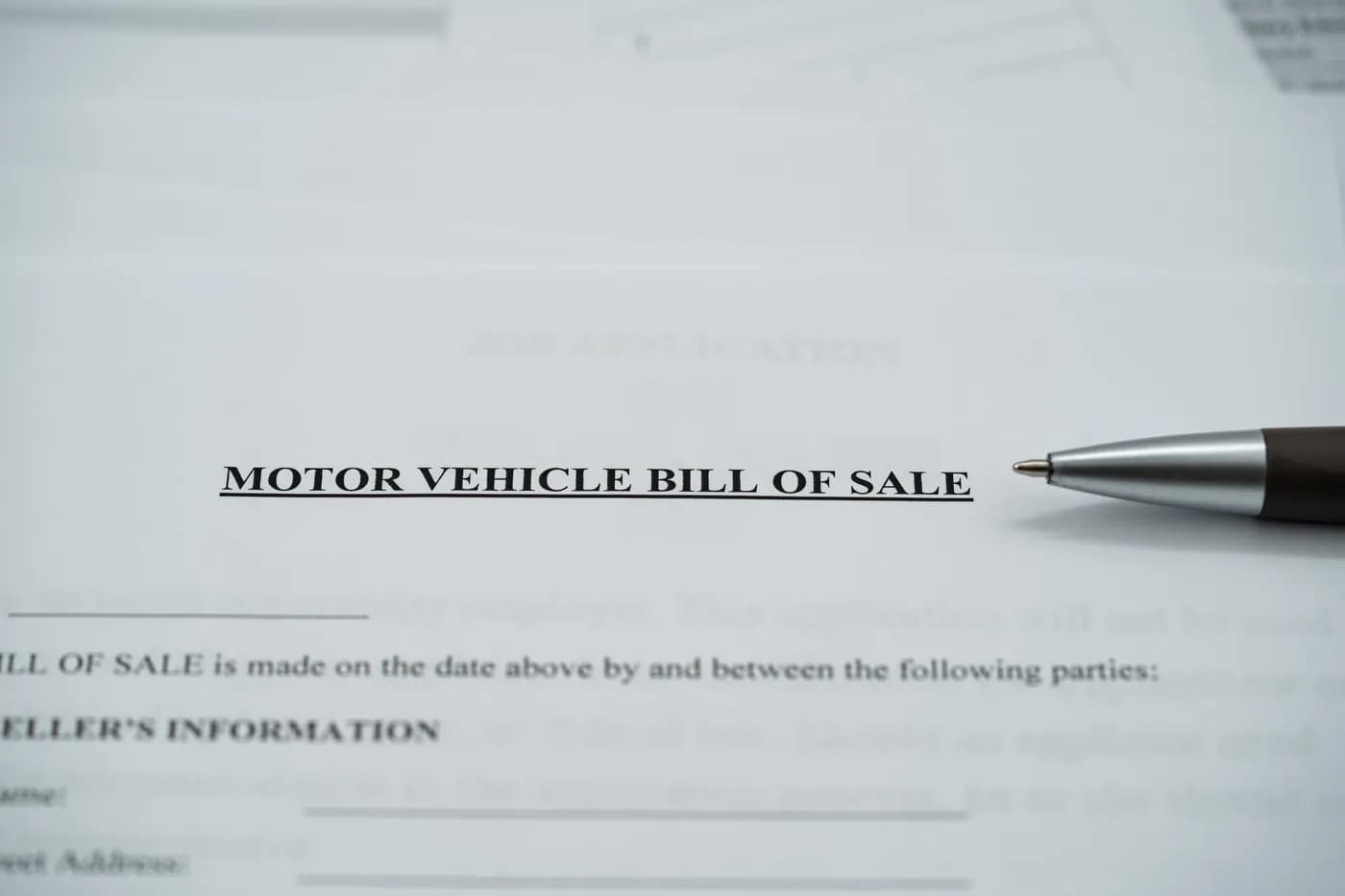
Using Form 735-501
DMV publishes a bill-of-sale form, and using it removes the risk of leaving something out.
Complete every required field rather than the ones that feel relevant. A blank in the release statement or the date is the sort of omission that matters only later, when it is the thing being asked about.
Check the buyer details against something. A name given verbally at a pickup is a name you cannot verify afterwards.
Keep a legible copy, and prefer a photograph to a memory. The copy is the whole point of the exercise.
Do not sign it with the buyer's section blank, for the same reason you would not do that on a title. An open document with your signature on it is not a record, it is a risk.
05
The three jobs it cannot do
Almost every problem with this document comes from expecting it to do something else. It is one record with one function, and these are separate acts with their own requirements.
It is not a title. The title is Oregon's ownership document. A bill of sale does not cure a missing one, and if the title is lost the replacement process is the path — there is a page on that, linked below.
It is not a lien release. If a lender's interest is recorded, that release comes from the lender and nothing you sign substitutes for it.
It is not an odometer disclosure, which has its own requirements when they apply, nor is it the notice of sale you file with DMV.
And the notice of sale is a separate act on its own deadline — within ten days, with the buyer's name and address. Filing it does not transfer ownership either; it puts a sale notation on the record. That deadline has its own page and this one does not restate it.
06
A junk car does not change any of this
Condition has no bearing on ownership requirements. A car that is damaged, non-running or written off is still a titled vehicle in Oregon's record, and the paperwork is the paperwork.
What condition changes is the temptation to skip it. When a car is being taken away for scrap it feels like the documents matter less, and that is precisely when a missing release or an unrecorded buyer becomes the thing nobody can reconstruct.
Before the truck arrives, confirm the VIN against the vehicle rather than against a document, identify everyone who must sign, complete the right paperwork, and keep your copy. None of that takes long and all of it is unrepeatable afterwards.

FREQUENTLY ASKED QUESTIONS
Do I need a bill of sale to sell a car in Oregon?
Usually not as a separate document. DMV instructs the seller to sign and date either the back of the title or a bill of sale, so a correctly released title ordinarily does the job. A separate Form 735-501 is the alternative, not an extra requirement.
What has to be on an Oregon bill of sale?
DMV names at least five things: the VIN, a statement releasing interest in the vehicle, the printed name of the seller or sellers, the seller's signature, and the date of sale. Record the buyer's legal name and address as well, since you need those to notify DMV.
Does a bill of sale transfer ownership?
No. It records that a transaction happened. DMV says the notice means it “will note on your record that you sold the vehicle, but you will stay listed as the owner until the buyer transfers the title.” That stays true after you sign, after the car leaves, and after you file the notice.
Then why bother with one at all?
Because the gap between your sale and the buyer's title transfer is one you cannot close yourself. During it the record still points at you, and the bill of sale is your evidence of what you released and when.
Can a bill of sale replace a lost title?
No. It does not cure a missing title. If the title is lost, the replacement process is the route, and it is worth starting before you agree a pickup rather than after.
Is a bill of sale a lien release?
No. A recorded lien is released by the lender, and nothing you sign substitutes for that. If a lienholder is printed on the title, that release is the first thing to sort out.
Do both owners need to sign?
Everyone named on the title should sign. A document signed by one of two owners is an incomplete release, and an absent co-owner is one of the few things that stops a sale outright rather than merely complicating it.
Does the car being junk change the paperwork?
No. Condition does not erase ownership requirements — a damaged, non-running or written-off car is still a titled vehicle in Oregon's record. What condition changes is how tempting it is to skip the documents, which is when they matter most.
What do I do after the sale?
Notify DMV within ten days using the buyer's legal name and address, and keep your copies together. The notice is a separate act on its own deadline, and it does not transfer ownership either.
Should I use Form 735-501 or write my own?
Either can work if it contains what DMV names, but the form removes the risk of omitting something. Complete every required field, do not leave the buyer's section blank, and keep a legible copy.
PRACTICAL CHECKLIST
Before the vehicle leaves
- Check the VIN on the vehicle against the VIN on the paperwork
- Identify everyone named on the title, and have them all sign
- Write the release statement, not just names and a date
- Print seller names as well as signing them
- Record the buyer's legal name and address
- Date it — that is what fixes when your responsibility ended
- Never sign with the buyer's section left blank
- Photograph or copy the completed document before it goes
- File the DMV notice of sale within ten days
JUNK-CAR SERVICE AREAS FOR THIS GUIDE
- Selling a car in PortlandPortland pickups and paperwork.
- Selling a car in SalemSalem sales and DMV follow-up.
- Selling a car in EugeneEugene collection and records.
- Selling a car in BendBend pickups across the region.
- Selling a car in MedfordMedford sales in any condition.
- Selling a car in BeavertonBeaverton pickup, towing on an accepted offer.
- Selling a car in GreshamGresham collection and handoff.
- Selling a car in HillsboroHillsboro sales and documentation.
USEFUL OREGON RESOURCES
- Bill of Sale vs Title in OregonWhich document proves what, and when one is not enough.
- The Oregon DMV Notice of Sale, in Ten DaysThe separate deadline this page points at.
- Lost Car Title in OregonWhat to do when there is no title to release.
- Selling a Car With a Lien in OregonWhy the lender's release cannot be substituted.
- Removing Plates After Selling a Car in OregonThe other decision made at the handoff, and why it is a choice rather than a rule.
OFFICIAL SOURCES
Rules, forms, fees, and program eligibility can change. Use these primary sources to confirm your situation.
- Oregon DMV: Buying or Selling a Vehicle
- Oregon DMV: Form 735-501, Vehicle Bill of Sale
- Oregon DMV: Notice of Sale or Transfer, Form 735-6890
- Oregon DMV: Odometer Disclosure
Prepared and reviewed on September 8, 2026 against Oregon DMV seller instructions and forms, each read at source. General seller information, not legal advice. Confirm unusual ownership situations and current form requirements with Oregon DMV.
Reviewed by CashMyCarOregon Editorial Team: Oregon vehicle seller research and editorial review