

People arrive at this question expecting a ranking — which document is the strong one, which is the weak one, which can stand in for the other. That framing is what causes the trouble.
These four documents are not competing. They answer four different questions. The title answers who owns the vehicle. The bill of sale answers whether a transaction happened. The registration answers whether the vehicle may be used on the road. The notice of sale answers whether you told DMV.
So the mistake is rarely choosing the wrong document. It is expecting one document to answer a question it was never built to answer — and the commonest version is treating a registration card as proof of ownership.
QUICK ANSWER
The title is the ownership document and the only one of the four that moves ownership. A bill of sale records that a transaction happened; it is evidence, not a transfer. Registration shows the vehicle may be used on the road and sits downstream of the title — DMV will only register a vehicle to someone who already holds an Oregon title in their name. The DMV notice of sale tells DMV a transfer occurred; it changes what the record says about you rather than who owns the vehicle. Most Oregon sales need the title released properly, plus the notice filed within ten days.
01
Four documents, four questions
Take them one at a time, by the question each answers.
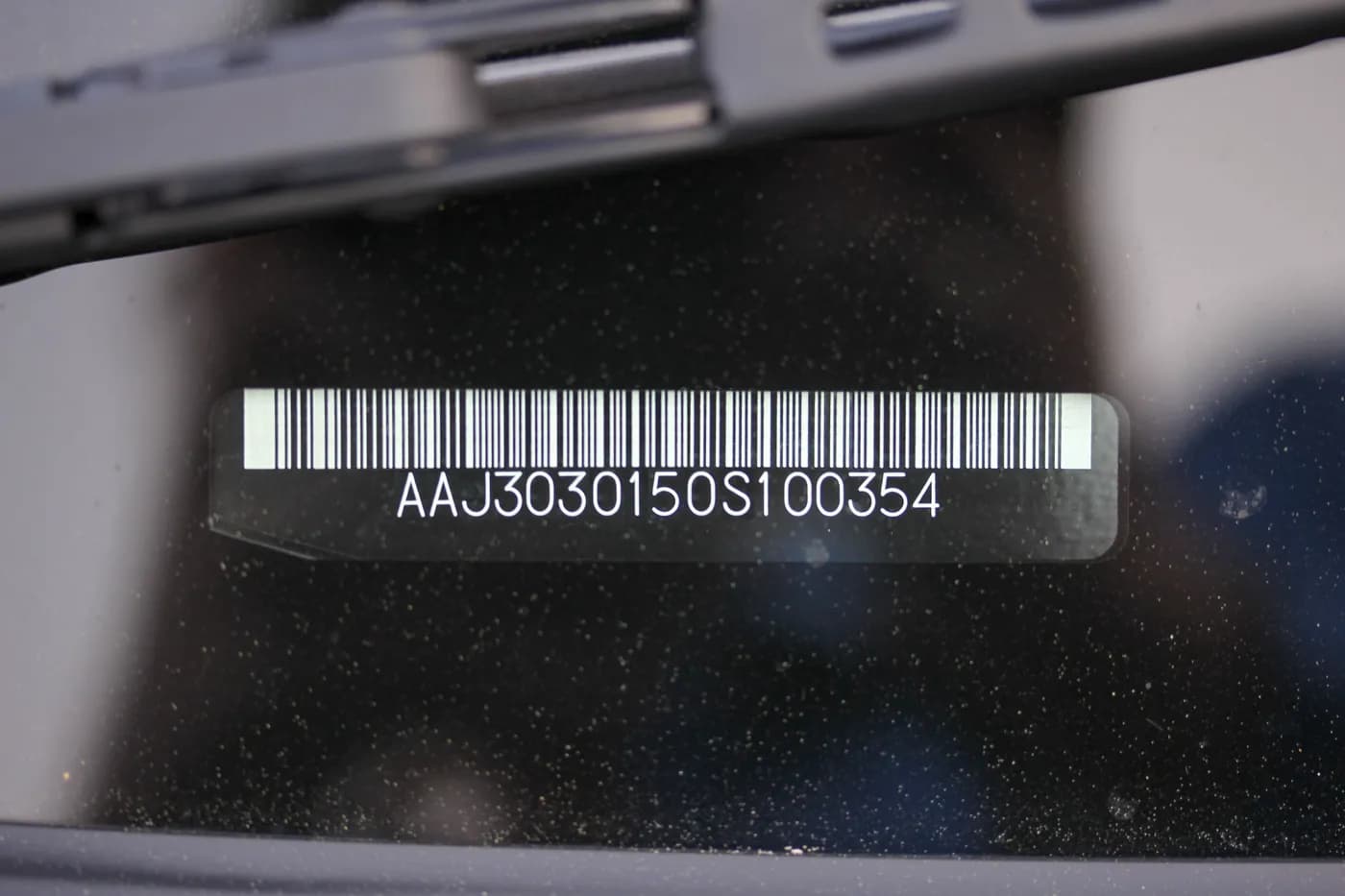
The title answers who owns it. It identifies the vehicle by VIN, names the titled owners, shows any recorded security interest and any brand, and carries the place where the owner releases that interest. It is the only one of the four that moves ownership from one person to another.
The bill of sale answers whether a transaction happened. It records that a named seller released an interest in a specific vehicle to a named buyer on a specific date. That is genuinely useful and it is the whole of it — it does not itself transfer anything.
Two DMV forms use opposite language here, and the contrast is worth reading closely. Form 735-501, the bill of sale, has the seller sign under “I transfer all rights, title and interest in the above-described vehicle to:”. Form 735-6890, the notice of sale, says at its foot that it “is NOT an assignment or release of interest in the vehicle.”
That is not a contradiction, and reading it as one is the trap. The bill of sale is where you say you transferred. The title is where the transfer happens. The notice is what tells DMV to annotate the record. A declaration is not a mechanism — which is why you stay listed as the owner until the buyer is issued a title, no matter how firmly the bill of sale is worded.
The registration answers whether the vehicle may be used on the road. It identifies the registered owner and the plate, which is why it looks like an ownership document to anyone holding one.
The notice of sale answers whether you told DMV. Form 735-6890 states its own limits plainly: it is not a bill of sale, it is not an assignment or release of interest, and it does not change ownership on DMV records.
02
Why registration is not the ownership document
This is worth doing carefully, because the honest version is more useful than the slogan.
We went looking for DMV saying that registration is not proof of ownership. DMV does not say that, either way — the registration page simply does not address the question.
What it does say is stronger, and it settles the matter by a different route: "You may only register your vehicle if you have an Oregon title in your name."
Read that again from the seller's side. Registration is granted to someone who already holds the title. It is downstream of ownership, not evidence of it. A registration card tells you who DMV last registered the vehicle to and that the vehicle was road-legal — real information, and a different question from who owns it today.
The practical consequence: a current registration is useful for matching the seller, the plate and the VIN, and it is not a substitute for a properly released title. If someone offers registration in place of a title, they are offering an answer to a question you did not ask.
03
When one document is not enough
The realistic cases, and what each actually needs.
A missing title. A bill of sale does not cure it. The route is a replacement title, and there is a trap in it worth knowing before you start — the replacement certification requires that the title has not already been signed or transferred, which closes that door for anyone who signed and then lost it. There is a page on this, linked below.
An unreleased lien. The lender releases it. Nothing you or the buyer signs substitutes for that, and no combination of the other three documents gets around it.
An odometer disclosure is required. A casual receipt does not satisfy a disclosure requirement. Where the vehicle needs one, it needs the disclosure, not a document that mentions mileage.
Your name is not on the title. That is a different problem with its own answer, and it is not solved by producing a bill of sale.
A branded title. Salvage, non-repairable and the rest are still titles, carrying a recorded status. The brand travels with the vehicle and is not erased by any of the other documents.
04
If all you have is a bill of sale
This is the situation people are usually already in by the time they look this question up, so it gets its own answer rather than a caution.
Two clocks started when the car changed hands, and Form 735-501 prints them side by side. Under SELLER: “You must provide notification to DMV of the sale within 10 days of the sale.” Under BUYER: “If you do not apply for a title within 30 days from the date of purchase, you may be subject to a late title transfer fee.” Different deadlines, running from different events, on the same piece of paper.
If you are the buyer and the seller never signed a title over to you, the second clock is running against a transfer you cannot complete. DMV’s titling requirements ask for the original title or ownership document. We looked for a route on DMV’s titling page for a buyer holding only a bill of sale — a bonded-title process, an alternative application, anything — and that page does not describe one.
So the practical first move is back to the seller, because the release has to come from the person the title names. If the seller is reachable, this is fixable. If they are not, it stops being a documents question and becomes a DMV one, and DMV is the only party who can tell you what your specific record allows.
And one thing a bill of sale definitely did not do for you: the odometer. Form 735-501 has no odometer field at all — its fields are the VIN, plate, year, make, title number, the buyer and seller names and addresses, the date of purchase and the date of release. A seller who used one and believes the mileage is documented has not documented it.
05
What each document is worth to a buyer checking you out
The same four documents, read from the other side of the transaction, which is a useful way to see what each actually carries.
A title in the seller's name answers the buyer's main question and is the one they should insist on.
Photo identification does not prove ownership either, but it does let a buyer check that the person signing is the person named on the title — which is a narrower and genuinely useful job.
A lien release answers only whether the secured party gave up its recorded interest. Narrow, and decisive when it applies.
A bill of sale gives both sides a record of what was agreed and when. It protects the seller in the gap before the buyer transfers the title, which is the gap the seller cannot close alone.
06
What most ordinary Oregon sales actually need
Release the title properly. DMV asks the seller to sign and date either the back of the title or a bill of sale — so for an ordinary transfer a separate bill of sale is an alternative rather than something extra. The full detail lives on its own page.
Complete an odometer disclosure where the vehicle requires one, on the title or the form that applies.
File the DMV notice of sale within ten days. Statutory, not advisory, and it is a separate act from the title release. It does not transfer ownership and it does not cancel your insurance.
Keep your copies together. Whatever combination your sale needed, the set is only useful if you can produce it.
FREQUENTLY ASKED QUESTIONS
Is a bill of sale as good as a title in Oregon?
No, because they answer different questions. The title is the ownership document and the only one that moves ownership. A bill of sale records that a transaction happened. It is useful evidence and it is not a substitute for a released title.
Is registration proof of ownership in Oregon?
DMV does not address that question directly either way. What it does say is that you may only register a vehicle if you have an Oregon title in your name — which puts registration downstream of the title. A registration card tells you who DMV registered the vehicle to and that it was road-legal, not who owns it today.
Can I sell with only a bill of sale?
Not as a way around a missing title. A bill of sale does not cure an absent title, an unreleased lien, a required odometer disclosure, or a name that is not on the title. Each of those has its own route.
Do I need both a title and a bill of sale?
For an ordinary Oregon transfer, DMV asks you to sign and date either the back of the title or a bill of sale. A separate one is an alternative rather than an addition, though many sellers keep one anyway as a record of the amount and date.
Does the notice of sale transfer ownership?
No. Form 735-6890 says so on its face: it is not a bill of sale, not an assignment or release of interest, and it does not change ownership on DMV records. It records that you notified DMV.
The buyer only wants a bill of sale. Should I agree?
Ask why. There are legitimate reasons a transaction is documented that way, and there are situations where it means the title problem is being deferred onto you. The document that ends your exposure is a properly released title plus the notice of sale.
What does photo ID prove?
Not ownership. It answers a narrower question — whether the person signing is the person named on the title — and that is worth checking, because a release signed by someone else is not a release.
Does a salvage title still count as a title?
Yes. Branded titles are still titles carrying a recorded status, and the brand travels with the vehicle. None of the other three documents removes or hides it.
Which documents should I keep after the sale?
Whichever ones your sale used, together: the released title or bill of sale, any lien release, the odometer disclosure if one applied, the buyer's details, and your notice-of-sale confirmation.
What if the title is lost?
A bill of sale does not replace it. Start the replacement process, and check the certification first — it requires that the title has not already been signed or transferred, which rules the route out for anyone who signed it and then lost it.
PRACTICAL CHECKLIST
Before you hand anything over
- Confirm the title is in the seller's name and matches the VIN on the car
- Check the title for a lienholder and for any brand
- Do not accept registration in place of a title
- Use photo ID to confirm the signer is the person named on the title
- Complete an odometer disclosure if the vehicle requires one
- Release the title, or use a bill of sale where that is the route
- File the DMV notice of sale within ten days
- Keep copies of whichever documents your sale actually used
JUNK-CAR SERVICE AREAS FOR THIS GUIDE
- Selling a car in PortlandPortland pickups and paperwork.
- Selling a car in SalemSalem sales and DMV follow-up.
- Selling a car in EugeneEugene collection and records.
- Selling a car in BendBend pickups across the region.
- Selling a car in MedfordMedford sales in any condition.
- Selling a car in BeavertonBeaverton pickup, towing on an accepted offer.
- Selling a car in GreshamGresham collection and handoff.
- Selling a car in HillsboroHillsboro sales and documentation.
USEFUL OREGON RESOURCES
- Oregon Vehicle Bill of SaleThe document itself: what it proves, and what must be on it.
- The Oregon DMV Notice of Sale, in Ten DaysThe separate act with the statutory deadline.
- Lost Title in OregonIncluding the certification that closes the replacement route.
- Where to Sign an Oregon Car TitleOnce you know which document, this is where the pen goes.
OFFICIAL SOURCES
Rules, forms, fees, and program eligibility can change. Use these primary sources to confirm your situation.
- Oregon DMV: Buying or Selling a Vehicle
- Oregon DMV: Vehicle Registration
- Oregon DMV: Notice of Sale or Transfer, Form 735-6890
- Oregon DMV: Titling and Registering Your Vehicle
Prepared and reviewed on September 9, 2026 against Oregon DMV buying and selling guidance, the DMV registration page, Form 735-6890 read as a rendered page, and ORS Chapter 803. General seller information, not legal advice. Confirm unusual ownership situations with Oregon DMV.
Reviewed by CashMyCarOregon Editorial Team: Oregon vehicle seller research and editorial review