
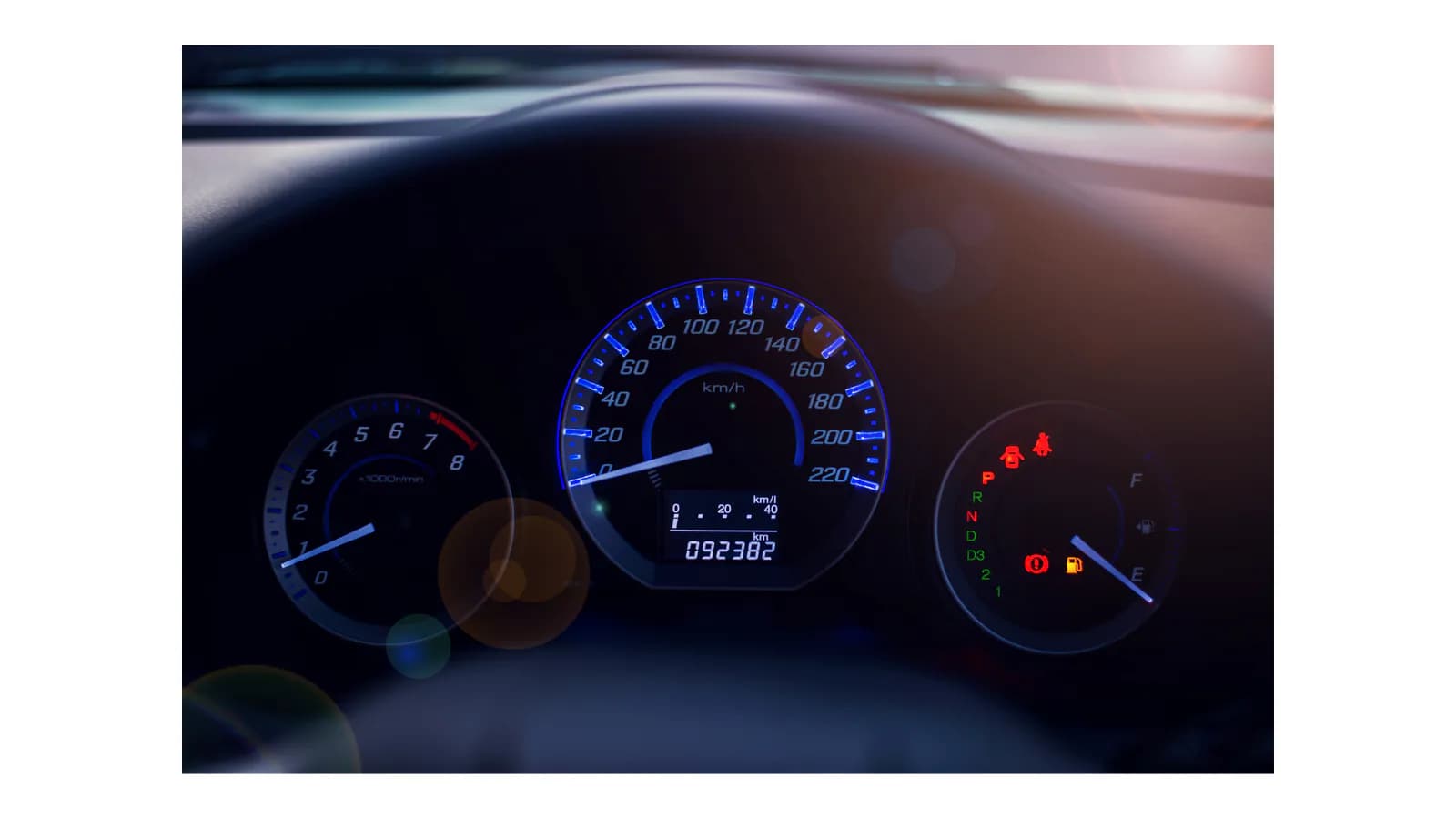
A dead engine does not make the odometer rule disappear. Oregon sellers often assume that a damaged, salvage, high-mileage, or non-running vehicle is automatically exempt because nobody plans to drive it. Oregon DMV instead looks mainly at model year, age, vehicle type, and the kind of transfer. A car described as junk can still need a secure mileage statement before the title is released.
The most important dividing line is model year 2011. Under current Oregon guidance, a 2011-or-newer vehicle generally needs odometer disclosure while it is under 20 years old. Model years 2010 and older are exempt from the disclosure requirement. Because a vehicle ages into the rule over time, sellers should check current DMV instructions on the transaction date rather than trusting an old ten-year rule repeated online.
QUICK ANSWER
For a normal Oregon sale, a model-year 2011 or newer vehicle that is under 20 years old generally requires odometer disclosure; model years 2010 and older are exempt under current guidance. The seller reports the reading and mileage status, and the buyer acknowledges it on the title or an accepted secure form. Junk, salvage, damaged, and non-running condition do not create an automatic exemption. If the display is blank, stuck, replaced, or inaccurate, follow Oregon DMV's specific status instructions instead of guessing.
01
USE MODEL YEAR AND AGE, NOT THE WORD JUNK
The federal and Oregon transition from a ten-year to a twenty-year disclosure period creates much of the confusion. Current Oregon DMV guidance treats model-year 2011 and newer vehicles as subject to disclosure while under 20 years old. Vehicles from model year 2010 and earlier are exempt from this requirement. That does not mean every 2011 vehicle is forever covered; calculate its age under the current rule and confirm the latest official instruction.
Condition does not replace that calculation. A blown engine, collision, missing catalytic converter, failed DEQ test, salvage brand, or months of storage may affect value and towing, but it does not by itself create an odometer exception. Sellers should disclose the vehicle's physical condition separately from mileage. This distinction helps the assigned buyer evaluate the car accurately while keeping the title statement based on the legal disclosure standard.
- 2010 and older: exempt under current Oregon guidance.
- 2011 and newer: disclosure generally applies while the vehicle is under 20 years old.
- Junk or non-running condition alone is not an exemption.
- Verify the rule in effect on the actual sale date.
02
CHECK WHETHER A SPECIFIC VEHICLE EXCEPTION APPLIES
Oregon DMV lists additional exceptions, including vehicles not manufactured with an odometer, non-self-propelled vehicles, vehicles with a manufacturer gross vehicle weight rating over 16,000 pounds, Class I all-terrain vehicles, snowmobiles, and certain transfers in which at least one owner remains on the title. These are defined exceptions, not flexible labels a seller chooses because the mileage is inconvenient.
Use the manufacturer's rating rather than a guess based on how large a truck looks. Do not confuse a trailer, off-road vehicle, or commercial vehicle rule with an ordinary passenger car. When a transaction retains an owner, changes a name, involves a trust, or moves through an estate, ask Oregon DMV whether the remaining-owner exception and ownership documents apply. Marking a vehicle exempt without support can create a title problem for the buyer.
03
RECORD THE DISPLAY BEFORE COMPLETING THE TITLE
Photograph the dashboard with the display awake when possible, and record the visible digits before pickup. Compare that figure with maintenance records or prior paperwork only to identify a possible discrepancy; the disclosure must describe the odometer and its status under DMV instructions, not a homemade estimate of miles driven. Do not add invisible miles because the car was towed or subtract miles because an engine was replaced.
Enter the reading in the title's odometer area or the accepted secure document. The seller signs the disclosure, and at least one buyer signs to acknowledge it when required. Use permanent ink, avoid blank status boxes, and review the full entry before either party signs. A towing operator should not complete the buyer acknowledgment unless that person is the buyer or is properly authorized for the buyer's transaction.
04
BLANK, STUCK, ROLLED OVER, OR INACCURATE ODOMETERS
A digital display that cannot be read should be described using Oregon DMV's not-readable procedure, not a zero or an invented number. If the odometer is stuck, Oregon guidance directs the seller to provide the displayed reading and indicate that it is not the actual mileage. For a mechanical odometer that has passed its display limit and started again, report the visible reading and indicate rollover as instructed.
An odometer that was replaced, disconnected, or known to be wrong needs an accurate status disclosure. Do not select actual mileage merely because the visible number seems believable. Oregon warns that not-readable and not-actual mileage brands cannot later be removed from the title. That lasting consequence is why a seller should ask DMV before making an uncertain entry rather than hoping a buyer can correct it later.
05
LOST TITLES AND THE SECURE DISCLOSURE FORM
Oregon's secure odometer disclosure form is a controlled document and is not an ordinary PDF that anyone downloads and prints. DMV provides it through its specified request process. It can be used in circumstances described by DMV, including transactions where the title is held by a lienholder. A secure power of attorney is also limited to particular situations involving a lost, destroyed, mutilated, or lienholder-held title.
For a covered 2011-or-newer vehicle whose title is lost or destroyed, the seller generally needs to resolve the replacement-title and odometer requirements before transfer. A bill of sale or a screenshot of an online offer does not replace the secure statement. Tell CashMyCarOregon about the missing title when submitting the lead so the request can be reviewed accurately, but obtain the required ownership documents before final pickup.
06
CORRECT AN ERROR THROUGH THE RIGHT DMV PROCESS
If the mileage, status box, name, or signature is wrong, stop before adding cross-outs or whiteout. A correction may need a new disclosure or another document, and the right process can depend on whether the title has already been issued. DMV's odometer page does not cover corrections, so this is one to ask about rather than assume. Preserve the mistaken original, transaction messages, dashboard photo, and supporting records. Ask DMV how both parties should document the correction.
A simple writing mistake is not the same as intentionally false disclosure, but Oregon law treats knowing odometer misrepresentation seriously and also addresses failure to provide a required statement. Explain the facts accurately without accusing a seller or buyer of fraud based on an innocent error. The practical goal is a transparent corrected record that DMV can accept and that the next owner can understand.
07
HOW MILEAGE AFFECTS A JUNK-CAR OFFER
Mileage can matter even when the whole vehicle will not return to the road. A local buyer may consider demand for the engine, transmission, modules, interior, or other reusable parts, and mileage helps estimate their history. On an incomplete or severely damaged vehicle valued mainly for material and recoverable components, mileage may have less influence than weight, completeness, title status, catalytic converter, location, and towing access.
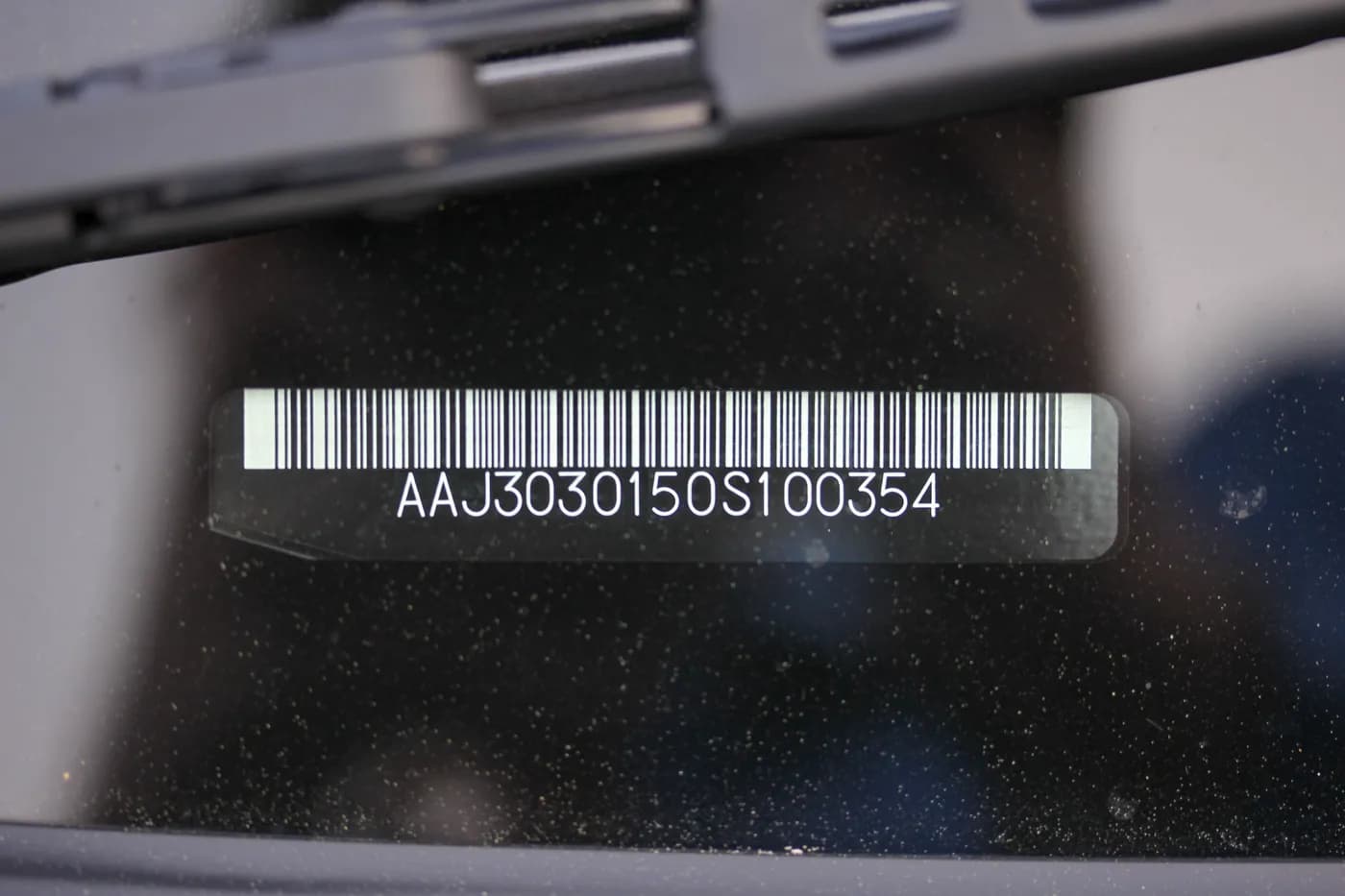
Provide the visible reading and explain its status honestly. Photos of the dashboard, all four sides, VIN label, interior, engine area, and major damage can reduce surprises. An online evaluation is not a legal appraisal or guaranteed final purchase before condition and ownership are confirmed. Accurate information gives CashMyCarOregon and a vetted local buyer partner a better basis for reviewing the lead and coordinating pickup.
08
PREPARE THE DISCLOSURE FOR LOCAL PICKUP
Before the tow arrives, gather the title, identification, lien release if applicable, bill of sale, keys, and current mileage photo. Confirm the legal buyer and final accepted amount. Complete the mileage fields where both parties can review them; do not hand a blank signed title to a driver. If the vehicle has no electrical power, explain whether the last visible reading is documented and ask DMV how the current unreadable condition should appear.
CashMyCarOregon is an Oregon-focused lead and vehicle-offer service. It may assign the request to a vetted local buyer partner who confirms the vehicle, communicates the offer, pays the seller, and handles physical pickup after acceptance. CashMyCarOregon is not necessarily the purchaser. The actual buyer's information belongs in the documents, and the seller remains responsible for truthful mileage and ownership statements.
09
KEEP A COMPLETE RECORD AFTER THE SALE
Retain private copies of the completed odometer disclosure, both sides of the released title, bill of sale, buyer information, payment, and pickup receipt. Submit the Oregon DMV Notice of Sale within 10 days and save its confirmation. These records answer different questions: mileage at transfer, release of ownership, identity of the buyer, delivery of possession, and timely notification to DMV.
Do not post title or dashboard records containing addresses, signatures, barcodes, or VIN details in a public review. If the buyer later says the mileage statement is missing or wrong, communicate in writing and contact DMV before creating replacement paperwork. When the disagreement involves fraud, ownership, or significant financial loss, seek advice appropriate to the facts rather than relying on a general online article.
FREQUENTLY ASKED QUESTIONS
Does a junk car need odometer disclosure in Oregon?
It can. Junk, damaged, salvage, or non-running condition is not an automatic exception. A model-year 2011 or newer vehicle generally needs disclosure while under 20 years old, unless a defined vehicle or transaction exception applies.
Is a 2010 vehicle exempt from Oregon odometer disclosure?
Yes, model years 2010 and older are exempt under current Oregon DMV guidance. The transition rule is different for 2011 and newer vehicles, so do not rely on the older statement that every vehicle over ten years old is exempt.
What if the digital odometer is blank?
Do not enter zero or guess. Oregon DMV instructs sellers how to report a not-readable display. Preserve a photo if possible, explain the condition to the buyer, and follow the current DMV wording because the resulting mileage brand can remain on the title.
What if the odometer is stuck?
Report the displayed reading and use the not-actual status as Oregon DMV directs. Do not estimate additional miles. Keep repair or maintenance records only as supporting history; they do not replace the required disclosure.
Do the seller and buyer both sign?
When disclosure is required, the seller provides and signs the mileage statement and at least one buyer signs to acknowledge it. Each person should sign only the labeled role after reviewing the reading, status, VIN, and transaction details.
Can I download Oregon's secure odometer form?
DMV does not publish it as a download. It names two ways to make the disclosure — the space on the back of the title, or a Secure Odometer Disclosure form — and for the form its instruction is to contact DMV and have it mailed to you. Use it only for an eligible situation and follow DMV's instructions for delivery and signatures.
Can I sell a covered car if the title is lost?
A covered 2011-or-newer vehicle generally requires the title and secure mileage process to be resolved before transfer. A bill of sale alone may not satisfy the requirement. Contact Oregon DMV about replacement title and any secure form before pickup.
Does mileage change a junk-car offer?
Sometimes. It can affect expected history of reusable parts, while completeness, major components, title, damage, local demand, and towing access may matter more for a scrap-oriented vehicle. Honest mileage and photos support a more informed review but do not guarantee an offer.
Can CashMyCarOregon decide which mileage status to select?
No. CashMyCarOregon can collect the vehicle details and may connect you with a vetted local buyer partner, but the seller must make a truthful disclosure under Oregon DMV instructions. For an uncertain reading or exception, ask DMV directly or call (503) 822-7567 for help locating the official resource.
PRACTICAL CHECKLIST
OREGON ODOMETER DISCLOSURE CHECKLIST
- Identify the vehicle's model year and age on the sale date.
- Confirm whether a listed vehicle or transaction exception applies.
- Photograph and record the visible display before pickup.
- Choose actual, not actual, not readable, or rollover status only as DMV directs.
- Have seller and buyer complete required signatures without leaving blanks.
- Resolve a lost title or secure-form need before transfer.
- Keep the disclosure, title, payment, and pickup records privately.
- File the Oregon DMV Notice of Sale within 10 days.
JUNK-CAR SERVICE AREAS FOR THIS GUIDE
- Sell a Junk Car in PortlandDocument mileage for a Portland pickup.
- Sell a Junk Car in GreshamPrepare a Gresham odometer record.
- Sell a Junk Car in BeavertonReview mileage before Beaverton pickup.
- Sell a Junk Car in HillsboroDisclose a Hillsboro vehicle accurately.
- Sell a Junk Car in SalemCoordinate a documented Salem handoff.
- Sell a Junk Car in EugeneRecord a Eugene dashboard before towing.
- Sell a Junk Car in BendPrepare a Bend non-runner for pickup.
- Sell a Junk Car in MedfordReview Medford title and mileage fields.
USEFUL OREGON RESOURCES
- Where to Sign an Oregon Car TitleComplete the seller and buyer fields correctly.
- Oregon Vehicle Bill of Sale GuideDocument the date, parties, amount, and condition.
- Oregon DMV Notice of Sale ChecklistFinish the seller's 10-day notification.
- Oregon DMV Odometer DisclosureCheck the current official rule and exceptions.
- Oregon DMV Handbook, Chapter HRead official odometer procedures and examples.
OFFICIAL SOURCES
Rules, forms, fees, and program eligibility can change. Use these primary sources to confirm your situation.
- Oregon DMV: Odometer Disclosure
- Oregon DMV Title and Registration Handbook, Chapter H
- Oregon DMV: Buying or Selling a Vehicle
- Oregon Revised Statutes Chapter 815
Prepared and reviewed on August 23, 2026 using current Oregon DMV odometer guidance, Handbook Chapter H, seller-transfer instructions, and Oregon law. This guide is general information, not legal advice. Rules age forward each year, and unusual vehicle classes, ownership chains, powers of attorney, or mileage errors should be confirmed with Oregon DMV.
Reviewed by CashMyCarOregon Editorial Team: Oregon vehicle seller research and editorial review