
Most title mistakes are not complicated. They are a signature in the wrong box, and the document is then a problem rather than a transfer.
The short version for Oregon: the seller signs the back of the title. The front carries the lienholder's release, and signing there when you are the seller is the single most common error we see on pickup day.
This guide goes field by field, covers the odometer rule that catches people out, explains what to do when two owners are listed, and says plainly what to do if you have already signed in the wrong place.
QUICK ANSWER
On an Oregon title the seller signs and dates the back, in the section that releases ownership interest to the buyer. The front is where a lienholder signs to release their interest, not where the seller signs. If the vehicle is model year 2011 or newer and under 20 years old, the odometer reading also goes on the back and both seller and buyer sign it.
01
The answer, and why the front catches people out
Oregon DMV's seller instruction is short: sign and date either the back of the title or a bill of sale. The back is where ownership is released.
The front of the title is a different job entirely. DMV describes it as where a lienholder signs to release their interest in the vehicle, or where the lienholder provides a separate signed statement instead. If you had a loan, that is the signature that has to be there. If you did not, that space is simply not yours to sign.
This is where the mistake happens. Someone opens the title, sees a signature line on the front, signs it, and has now written on the document in a place that does not release their ownership and may make the title harder to process. The fix is not always simple, so it is worth taking the extra minute to read the field labels before writing anything at all.
- Seller: signs and dates the BACK, releasing ownership interest
- Lienholder: signs the FRONT, or provides a separate signed release
- No loan means nobody signs the front
- Read the field labels before the pen touches the document
02
Before you write anything: three checks
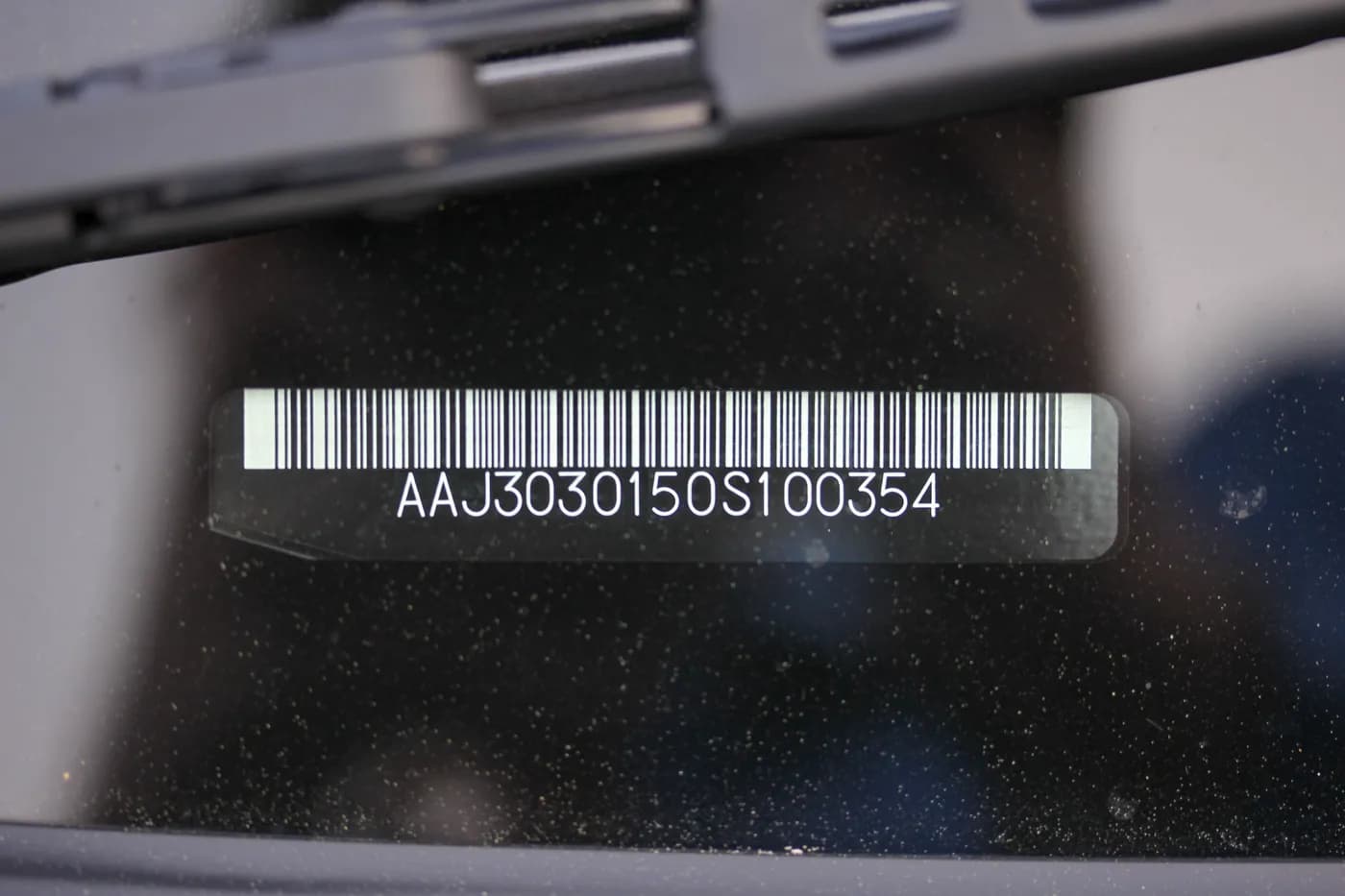
Check the VIN on the title against the VIN on the vehicle, character by character. It is on the dashboard through the windscreen and usually on a door label. Transposed characters are common and they stop a transfer.
Check the owner names exactly as printed, including middle initials and any business name. You will sign exactly as your name appears, not as you normally sign. A title printed with a middle initial wants that middle initial.
Check whether a security interest holder is listed. A lender paid off years ago can still be printed there, and that release has to exist before ownership moves.
03
Two names on the title: what Oregon actually prints
If you have read that the word joining the two names decides who signs — “and” means both, “or” means either — put it aside. That rule describes other states' titles.
Oregon does not print a connector between owner names. What it prints is a survivorship box, shown as Y/N, Y/Y, N/N or N/Y. DMV's titling guidance: if your title shows Y/N or Y/Y in the survivorship box, the title has survivorship; if it shows N/N or N/Y, it does not have survivorship between the registered owners.
And survivorship answers a different question anyway. It records what happens when one owner dies. It is not a signing shortcut for two living owners selling a car, so a Y does not authorise one of you to release the other's interest.
So what decides it? DMV tells buyers, under its Buying Tips, to make sure the seller hands over the title and that “all owners shown on the title (including any lienholders) have released interest.” That instruction is to the buyer; the consequence for you is ours to draw — if a careful buyer checks that every named owner released, then every named owner needs to release.
Plan for all of them, and read the whole document for a lienholder as well. If one owner cannot sign, that is an ownership question rather than a paperwork one, and unavailable, unwilling and deceased are three different situations with three different routes. Ask DMV instead of guessing: signing on someone's behalf without authority is a serious problem, not a shortcut.
04
The odometer disclosure, and when it does not apply
This is the part most guides get vague about, and Oregon DMV is unusually specific.
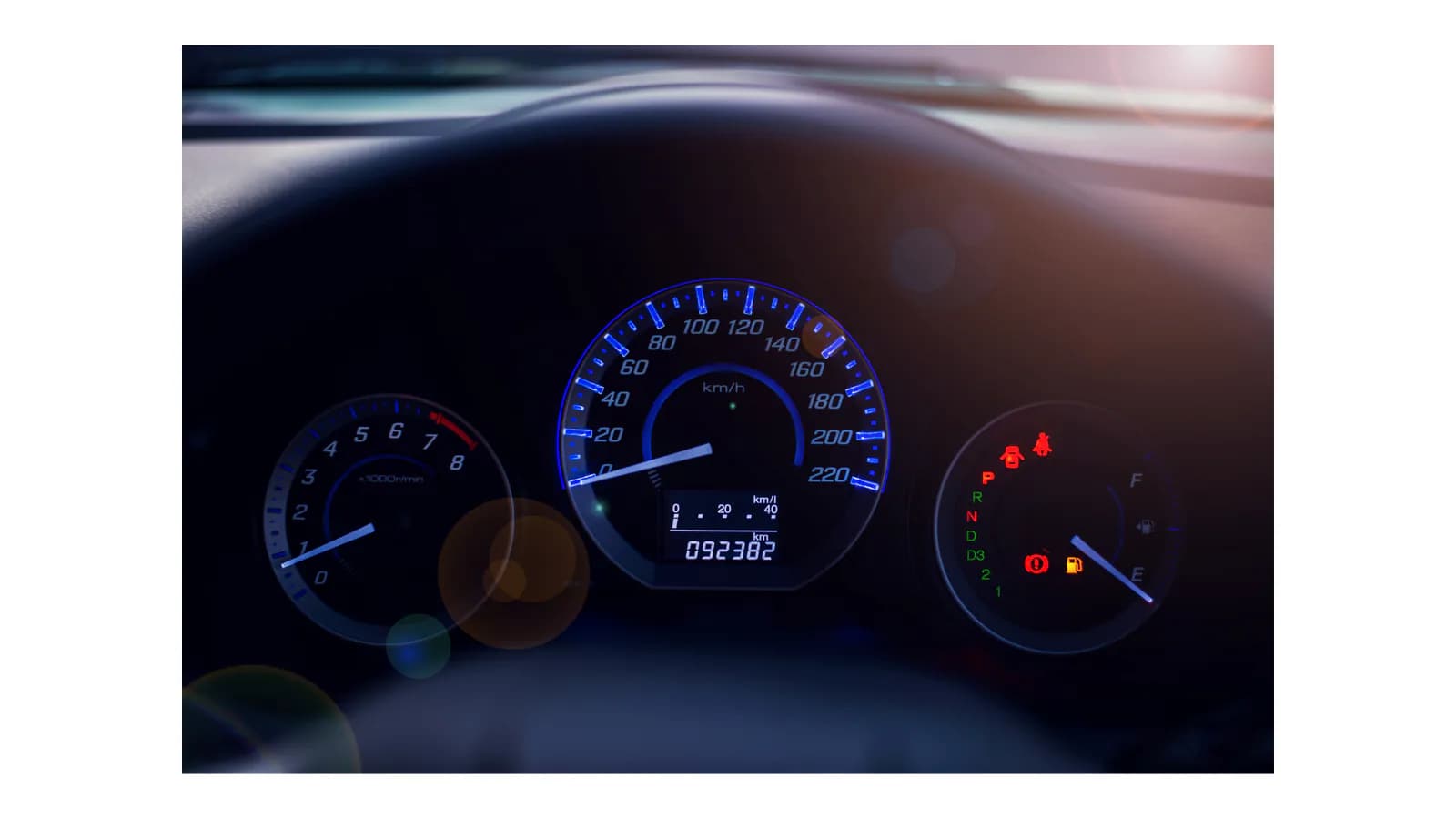
A disclosure is required if the vehicle is model year 2011 or newer and under 20 years old. Both conditions apply, so read it as a window rather than a single cut-off.
It is not required for vehicles not manufactured with an odometer, vehicles model year 2010 or older, vehicles that are not self-propelled such as trailers or campers, vehicles with a manufacturer's gross vehicle weight rating over 16,000 pounds, Class I ATVs, snowmobiles, or title transfers where at least one owner is staying on the title.
Where it does apply, the seller and buyer complete it using the space on the back of the title, or a Secure Odometer Disclosure form obtained from DMV. Both parties sign it. It is not the seller's signature alone.
One detail worth knowing because it prevents a wasted effort: DMV will not record voluntary odometer readings. If your vehicle is outside the window, writing the mileage down anyway does not put it on the record.
- Required: model year 2011 or newer AND under 20 years old
- Exempt: 2010 or older, trailers and campers, over 16,000 lb GVWR, Class I ATVs, snowmobiles
- Also exempt: transfers where at least one owner stays on the title
- Both seller and buyer sign it
- Voluntary readings are not recorded
05
What a bill of sale does and does not replace
Oregon allows the seller to sign and date either the back of the title or a bill of sale. That makes a bill of sale a genuine alternative for the release, not merely a receipt.
But DMV is specific about what it must contain, and says it cannot process one without: the vehicle identification number, a statement releasing interest in the vehicle, the printed name of the seller or sellers, the seller's signature or signatures, and the date of sale. You can use DMV Form 735-501 or any document carrying the same information.
What a bill of sale cannot do is supply authority you do not have. It does not replace a missing title, clear a lien, resolve a deceased owner, or remove a title brand.
06
Sign at the right moment, not before
Timing matters as much as placement.
Never sign a title and leave the buyer's details blank so someone can fill them in later. An open title with your signature on it is a document you no longer control, and it invites the vehicle being passed on without ever being titled, leaving your name as the last recorded owner.
Complete the document at the vehicle, with the buyer present, when payment is settled and the vehicle is being handed over. That is the moment the signature belongs to. A buyer who wants it signed in advance, or who will "sort the details later", is telling you something about how they intend to handle the transfer.
Never sign in the buyer's section either. Those fields belong to the person taking the vehicle.
07
If you have already signed in the wrong place
Do not scribble it out, do not use correction fluid, and do not start again on top of it. Any of those can turn a fixable error into a void document.
Stop and contact DMV with the title in front of you. Describe exactly what was written and where. The remedy depends on which field was affected and whether the document is still processable, and DMV can tell you whether the title can be corrected or whether a replacement is the cleaner route.
If a replacement is needed, start that process rather than trying to complete the sale on a damaged document. It is a short delay compared with a transfer that gets rejected weeks later.
08
After the signature: the ten-day notice
Signing the title transfers your interest. It does not tell the state anything.
Notify Oregon DMV of the sale within 10 days, using DMV2U or Form 735-6890, and include the buyer's name and address. DMV notes the sale on your record, but you remain listed as the owner until the buyer applies to transfer the title, which is exactly why the dated notice matters.
Keep the file together afterwards: your copy or photograph of the signed title, the bill of sale if you used one, the buyer's legal details, the payment record and the DMV confirmation.

09
Selling a junk car specifically
None of the above changes because the vehicle is worth a few hundred dollars. The signature rules are identical for a running car and a rusted one, and a buyer who suggests otherwise is not one to hand a title to.
CashMyCarOregon connects your vehicle with a suitable local buyer, who considers vehicles in nearly any condition, with towing included on an accepted offer inside the confirmed service area, and we complete the paperwork at the vehicle rather than afterwards. If anything about your title is unusual — two owners, a lender still printed on it, a name that does not match, or a signature already in the wrong box — say so when you request the offer. Every one of those is fixable, and all of them are cheaper to fix before the tow truck than during it.
FREQUENTLY ASKED QUESTIONS
Where does the seller sign an Oregon car title?
On the back, in the section that releases ownership interest to the buyer, signed and dated. Oregon DMV's instruction is to sign and date either the back of the title or a bill of sale.
Why should I not sign the front of the title?
The front is where a lienholder signs to release their interest in the vehicle, or where they provide a separate signed statement instead. If you had no loan, nobody signs there. A seller signing the front has written in a field that does not release ownership.
Do both owners have to sign?
Plan for all of them. Oregon does not print a connector between owner names — it prints a survivorship box, and that box is about what happens when an owner dies rather than who signs a sale. DMV tells buyers to make sure that all owners shown on the title, including any lienholders, have released interest; we draw the seller's side from that. Every named owner releases.
When is an odometer disclosure required in Oregon?
When the vehicle is model year 2011 or newer and under 20 years old. Both conditions apply. It is not required for 2010-or-older vehicles, trailers and campers, vehicles over 16,000 pounds GVWR, Class I ATVs, snowmobiles, or transfers where at least one owner stays on the title.
Where does the odometer reading go?
In the space on the back of the title, or on a Secure Odometer Disclosure form obtained from DMV. Both the seller and the buyer sign it; it is not the seller's signature alone.
Can I write the mileage down even if it is not required?
You can, but DMV will not record voluntary odometer readings. If the vehicle falls outside the disclosure window, writing the mileage does not put it on the record.
I signed in the wrong box. What now?
Do not scratch it out or use correction fluid, either of which can void the document. Contact DMV with the title in front of you and describe exactly what was written and where. They will tell you whether it can be corrected or whether a replacement title is the cleaner route.
Can I sign the title before the buyer arrives?
No. A signed title with blank buyer details is a document you no longer control, and it invites the vehicle being resold without ever being titled, leaving your name as the last recorded owner. Sign at handover, with the buyer present.
Do I sign the title or a bill of sale?
Either. Oregon lets the seller sign and date the back of the title or a bill of sale. If you use a bill of sale it must carry the VIN, a statement releasing interest, the printed seller name, the signature and the date of sale, or DMV cannot process it.
Do I still need to tell DMV after signing?
Yes. Notify DMV of the sale within 10 days using DMV2U or Form 735-6890, with the buyer's name and address. You stay listed as the owner until the buyer transfers the title, so the dated notice is your evidence of when the vehicle left you.
PRACTICAL CHECKLIST
Before you sign an Oregon title
- Match the VIN on the title to the VIN on the vehicle
- Read the owner names exactly as printed
- Read every name on the title — Oregon prints no and/or, so plan for all of them
- Check whether a lienholder is listed on the front
- Sign and date the BACK, in the ownership release section
- Leave the front alone unless you are the lienholder
- Complete the odometer disclosure if the vehicle is 2011 or newer and under 20 years old
- Sign at handover, never in advance and never blank
- Notify DMV within 10 days with the buyer's name and address
JUNK-CAR SERVICE AREAS FOR THIS GUIDE
- Sell a Junk Car in PortlandPaperwork completed at the vehicle in Portland.
- Sell a Junk Car in GreshamGresham pickup with the title checked first.
- Sell a Junk Car in BeavertonBeaverton collection in any condition.
- Sell a Junk Car in HillsboroHillsboro pickup arranged around access.
- Sell a Junk Car in SalemSalem handoff with the DMV notice explained.
- Sell a Junk Car in EugeneEugene offers for long-parked vehicles.
- Sell a Junk Car in BendBend collection, towing on an accepted offer.
- Sell a Junk Car in MedfordMedford pickup for vehicles in any state.
USEFUL OREGON RESOURCES
- How to Sell a Junk Car in OregonThe full process this signature sits inside.
- Salvage, Totaled and Junk Titles in OregonWhat a title brand means before you sign one over.
- Oregon Vehicle Bill of Sale GuideThe five things Form 735-501 must contain.
- Lost Car Title in OregonWhen there is no title to sign yet.
- Oregon DMV: Odometer DisclosureThe official rule and the full exemption list.
OFFICIAL SOURCES
Rules, forms, fees, and program eligibility can change. Use these primary sources to confirm your situation.
- Oregon DMV: Buying or Selling a Vehicle
- Oregon DMV: Odometer Disclosure
- Oregon DMV Title and Registration Handbook, Chapter F
- Oregon DMV: Notice of Sale or Transfer, Form 735-6890
Prepared and reviewed on September 8, 2026 against Oregon DMV's buying and selling instructions, DMV's odometer disclosure page, the DMV Title and Registration Handbook, and Form 735-6890. Title layouts and DMV procedures change; check Oregon.gov before relying on this. General information for sellers, not legal advice, and it does not replace DMV's own instructions for unusual ownership situations.
Reviewed by CashMyCarOregon Editorial Team: Oregon vehicle seller research and editorial review