
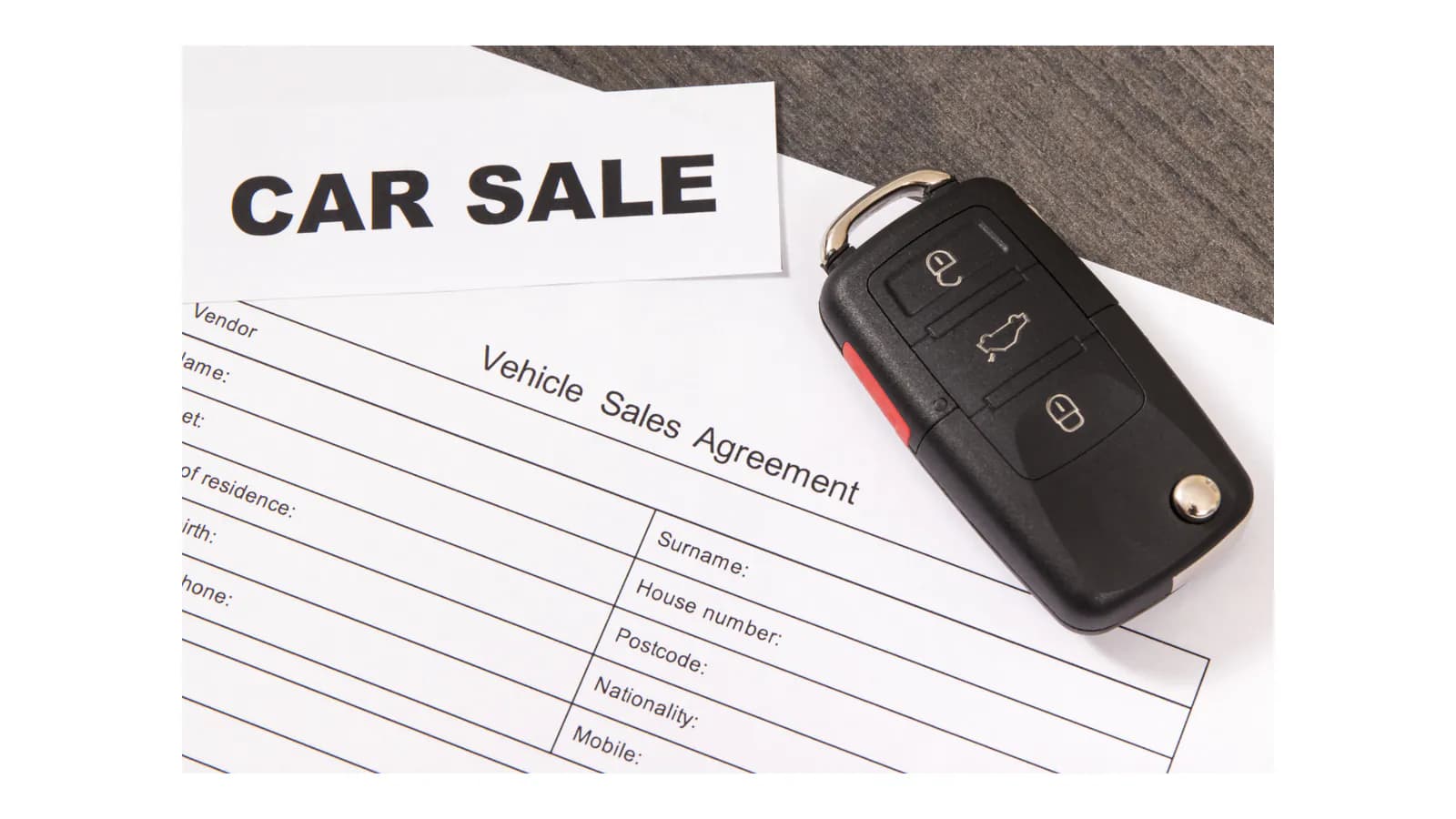
The most useful time to create a vehicle-sale record is before the car leaves. Once a tow truck departs, buyer names can be forgotten, text messages can disappear, and a signed title may no longer be available to photograph. Oregon tells sellers to retain copies of signed documents and report a sale within 10 days, yet it does not publish one universal retention period for ordinary private sellers.
A practical CashMyCarOregon recommendation is to keep the complete transaction packet for at least six years and preserve permanent digital copies of the core signed release, bill of sale, and DMV confirmation when feasible. Six years is a conservative recordkeeping benchmark informed by possible contract and personal-property disputes; it is not an Oregon DMV rule. Tax, estate, business, insurance, or legal circumstances can justify a longer period.
QUICK ANSWER
Keep every signed vehicle-sale and pickup record together for at least six years as a practical minimum, and retain permanent digital copies of the signed ownership release or bill of sale plus Oregon DMV submission confirmation when feasible. Oregon DMV does not set that six-year period for private sellers. File the Notice of Sale within 10 days and protect records containing addresses, signatures, VINs, or identity details.
01
WHY RECORDS MATTER AFTER THE CAR IS GONE
A buyer may take days or weeks to apply for title, and Oregon DMV explains that the seller can remain associated with the record until a new title is issued. During that interval, a parking ticket, abandoned-vehicle notice, tow bill, insurance inquiry, or law-enforcement question may still reach the prior owner. A complete file helps show the sale date, buyer identity, ownership release, payment, and delivery of possession.
No single screenshot proves everything. The DMV confirmation proves a report was submitted, not necessarily that title was assigned. A title copy shows a release, not that the car physically left. A tow photograph shows movement, not who legally purchased it. The strongest file combines those records so dates, VIN, names, and handoff details form one consistent timeline.
02
THE CORE TRANSACTION PACKET
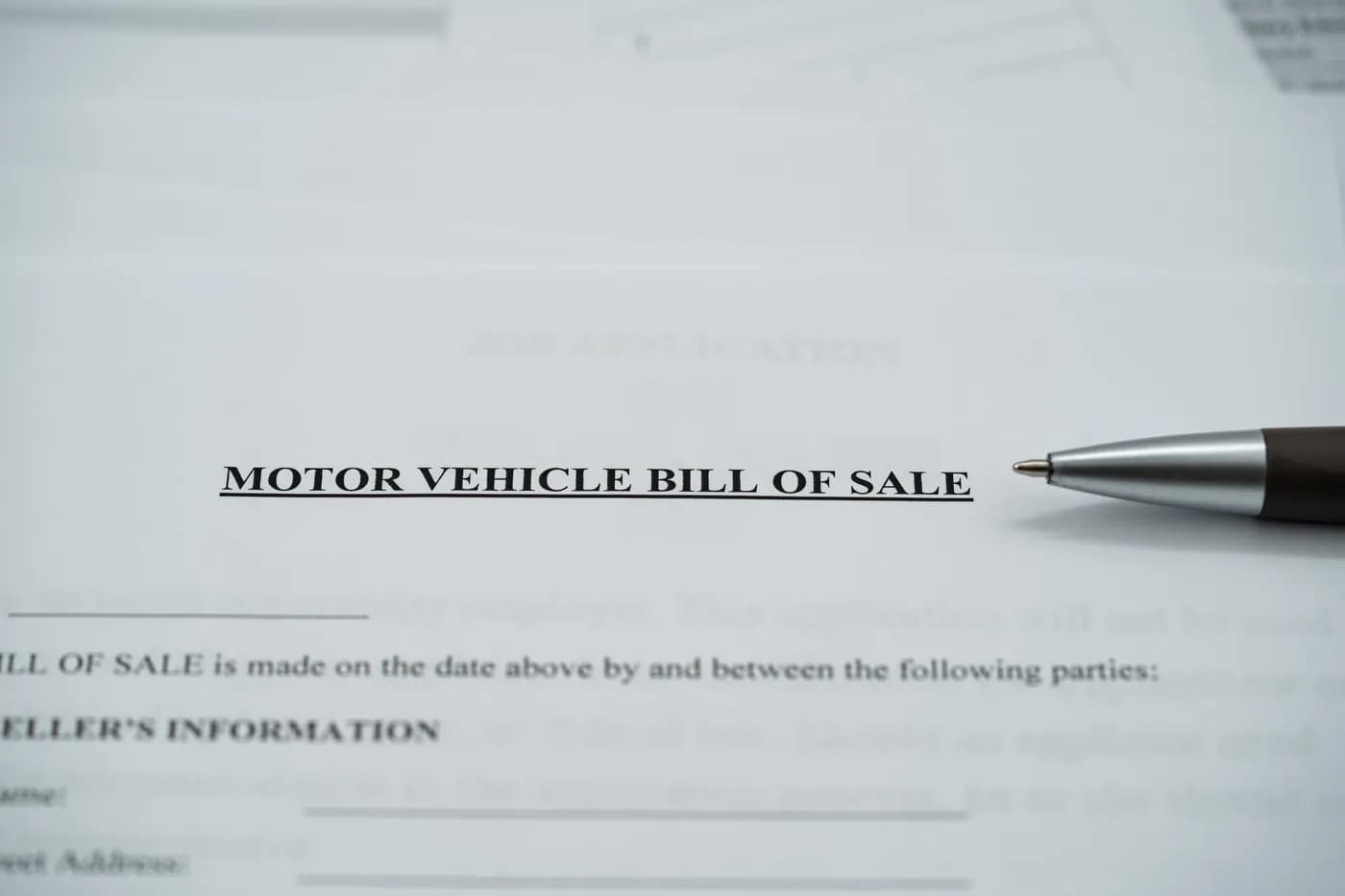
Preserve a clear image of the title before and after signing, every qualifying bill of sale, the buyer's full legal name and address, VIN, year, make, price, payment proof, and required odometer or lien documents. Add the Notice of Sale confirmation, pickup receipt, date-stamped vehicle photographs, relevant messages, and the name of the legal buyer and authorized towing company.
Record facts rather than assumptions. If CashMyCarOregon assigns a vetted local buyer partner, identify that partner as buyer only when it is the legal purchaser. The tow operator may be a separate contractor. Make sure the amount on the receipt matches the amount received and explain any adjustment in writing before the seller signs. A tidy one-page summary can index the originals without replacing them.
- VIN and vehicle description
- Signed title release and bill of sale
- Buyer legal name and address
- Payment and pickup receipt
- DMV2U confirmation or proof of mailing
- Private handoff photographs and relevant messages
03
THE 10-DAY OREGON DMV NOTICE
Oregon requires a transferor to notify the Department of Transportation within 10 days after transferring an interest in an Oregon-titled vehicle. Sellers can use DMV2U or Form 735-6890. Enter the actual buyer name and address, complete vehicle details, and true transfer date. A blank saved form or screenshot taken before submission is not proof that DMV received the notice.
Save the confirmation page, number, date, and a PDF or screenshot showing successful submission. If mailing the form, keep the completed copy and evidence of when it was sent. Form 735-6890 states that it is not a bill of sale and does not change ownership; retain the signed ownership release separately. If an entry was wrong, ask DMV how to correct it rather than creating conflicting submissions.
04
WHY SIX YEARS IS A PRACTICAL MINIMUM, NOT A LAW
Private sellers often encounter five-year record rules written for dealers or dismantlers and assume those rules apply to everyone. Oregon DMV does not publish a fixed private-seller period on its ordinary selling page. CashMyCarOregon uses six years as conservative editorial guidance because some Oregon limitation periods involving contracts or personal property can extend several years. It gives a seller a durable file without pretending to establish a legal deadline.
Keep the core release and DMV confirmation permanently when digital storage makes that practical. A business-use vehicle may involve tax depreciation, gain, loss, or accounting records that follow a different period. An estate, court matter, insurance claim, financed transaction, or written warranty can also change what should be retained. Ask a tax or legal professional about the facts rather than discarding a file because a blog period expired.
05
SECURE DIGITAL STORAGE WITHOUT OVERSHARING
Create a folder named with sale date and vehicle, then save documents in readable formats with descriptive filenames. Keep one encrypted or password-protected backup separate from the phone used during pickup. Verify that every page is legible before the originals leave. A cloud account with strong unique password and multifactor authentication is safer than relying on one text-message thread or an old device.
Collect only information needed for the transaction. Do not publicly post an unredacted title, driver license, signature, buyer address, payment account, or full plate image. If a platform or support representative needs proof, use its verified private channel and redact unrelated data when permitted. Establish a deletion date for redundant identity images while preserving the transaction facts that show who acquired the vehicle.
06
DOCUMENTING PHYSICAL PICKUP
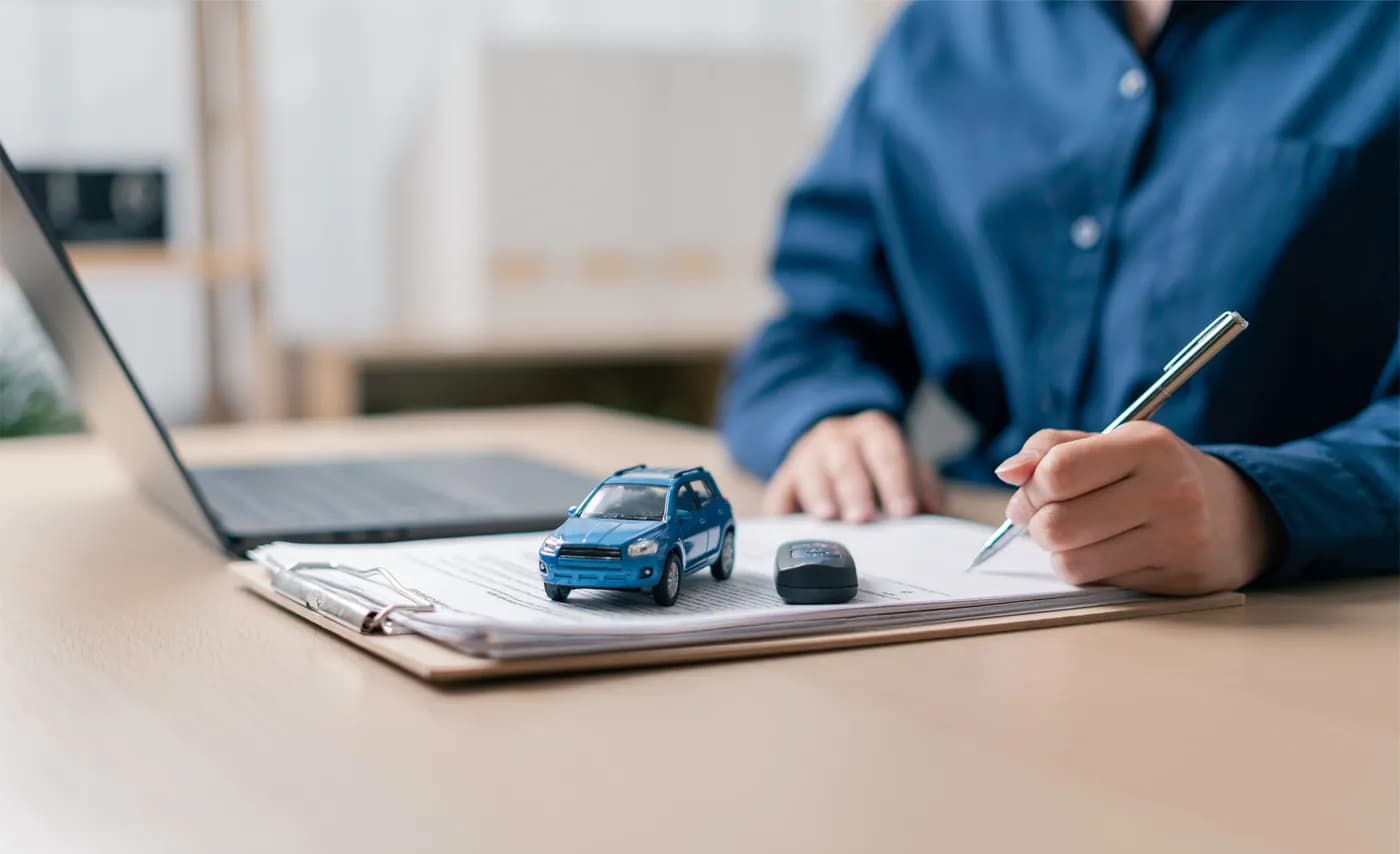
A pickup record should state the date and approximate time, vehicle VIN or clear description, pickup address, buyer, towing operator, final amount, and confirmation that possession transferred. Photograph the vehicle's condition and position before loading, then record the truck or company information without obstructing the driver. The goal is factual evidence, not surveillance or confrontation.
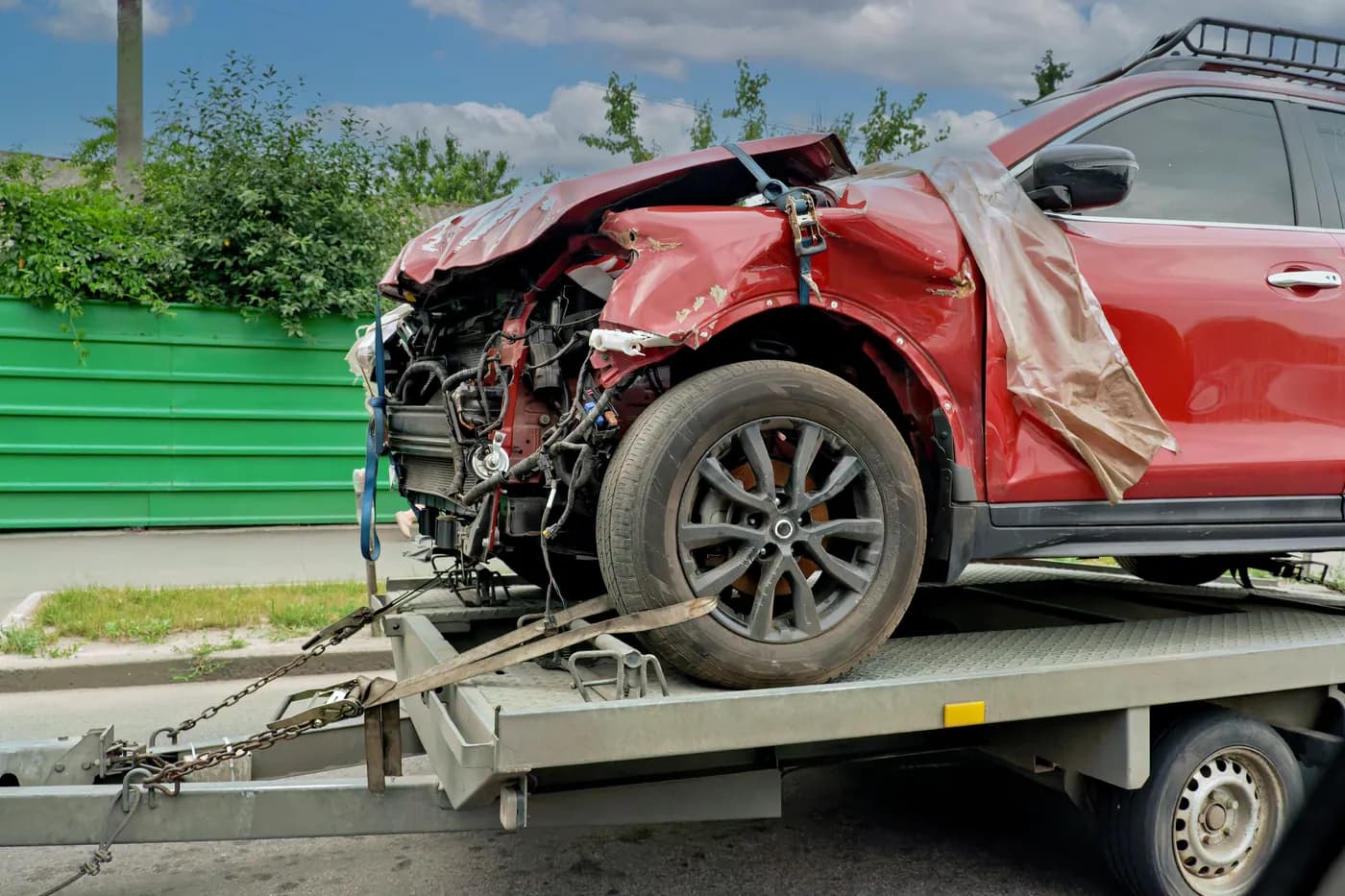
If the vehicle sits behind a gate, underground, on soft ground, or without wheels, document that access information before dispatch. Changes in condition or missing components should be written before payment adjustment. When a seller accepts an updated amount, both parties should retain the reason. CashMyCarOregon may facilitate the lead and assignment, while the local buyer partner handles final evaluation, payment, and physical removal.
07
IF THE BUYER NEVER TRANSFERS TITLE
Confirm first that the Notice of Sale was successfully filed and that the transaction documents identify the same buyer and date. Contact the buyer in writing, keep the message, and request completion of title. Do not attempt to repossess the vehicle, create a second sale, or alter the signed title without legal guidance. Oregon DMV can explain available records and whether a filing needs correction.
The seller may remain visible in DMV records until the buyer obtains a new title. ORS 803.117 discusses specified protection after delivery of possession when the seller both notifies the department and assigns title. Because application depends on the actual facts, do not promise that one document defeats every claim. Preserve the entire packet and get legal advice if ownership or liability is genuinely disputed.
08
RESPONDING TO A TICKET, TOW BILL, OR INSURANCE LETTER
Read the notice and calendar its response deadline. Contact the issuing agency, tow company, insurer, or court through an independently verified channel. Provide copies of the bill of sale or title release, DMV confirmation, payment record, and pickup evidence as relevant. Keep originals and note when, where, and to whom each response was sent.
Do not ignore a notice because you believe the sale automatically resolved it. Do not pay an unfamiliar invoice through a link in an unsolicited message without verifying it. If the amount is substantial, the sender rejects your records, or the facts involve an accident or alleged crime, consult an Oregon attorney. This article supplies a recordkeeping process, not a prediction about the outcome of a particular dispute.
09
A RECORD SYSTEM FOR CASHMYCAROREGON SELLERS
CashMyCarOregon is an Oregon-focused vehicle lead and offer service. A seller submits VIN, mileage, condition, location, contact information, and optional photos. We review the request and may assign it to a vetted local buyer partner. The partner communicates about evaluation, confirms an offer, and coordinates payment and pickup after acceptance.
Save the original lead confirmation, the assigned buyer's identity, offer communications, accepted terms, and pickup receipt with the DMV records. Photos provided for evaluation should not substitute for signed documents. If the assigned buyer information is unclear, pause and call (503) 822-7567 before handoff. A clear identity trail benefits the seller, local buyer, and any later reviewer.
10
A SIMPLE RETENTION SCHEDULE FOR A PRIVATE SELLER
During the first 30 days, keep the full file easy to reach because title, payment, or pickup questions are most likely to surface. At one year, confirm that the permanent copy opens and that the storage account remains secure. Through the practical six-year period, preserve the signed documents, DMV proof, payment, pickup receipt, and material communications without editing the originals. After that point, reassess whether tax, estate, insurance, business, warranty, or dispute facts justify continued retention.
Permanent does not need to mean cluttered. Keep the small core file indefinitely and remove duplicate screenshots or unnecessary identity images under a deliberate privacy policy. Record the deletion date and what was retained. This approach gives the seller durable proof while reducing the exposure created by storing multiple copies of sensitive information on old phones, email attachments, and shared photo accounts.
FREQUENTLY ASKED QUESTIONS
Does Oregon DMV require private sellers to keep records for six years?
No published ordinary private-seller rule sets that exact period. Six years is conservative practical guidance, not a DMV mandate. Particular tax, contract, estate, or legal circumstances can call for longer retention.
What is the single most important record after a sale?
There is no single complete record. Keep the signed ownership release or bill of sale, proof of possession transfer, and successful DMV Notice of Sale confirmation together because each proves a different event.
Should I photograph the signed Oregon title?
Yes, retain a clear private copy of every completed section before the original leaves. Do not publish it because it can expose signatures, addresses, VIN, and title information.
How do I prove I reported the sale to DMV?
Save the successful DMV2U confirmation page or number and filing date. For a mailed Form 735-6890, keep a completed copy and mailing evidence. An unfinished form is not proof of filing.
Why am I still connected to the vehicle after reporting it?
DMV may continue showing the prior owner until the buyer completes title. The transfer notation and your complete seller records help explain the intervening transaction.
Should I keep a copy of the buyer's driver license?
Collect only what is lawfully needed and protect sensitive data. A verified legal name and address are important. Avoid retaining unnecessary identity images, and never publish them.
What should I do if a tow bill arrives?
Respond by its deadline through a verified channel and provide relevant copies while retaining originals. If the sender rejects the records or the claim is significant, obtain legal advice.
Does CashMyCarOregon store my official DMV notice?
Sellers should file and retain their own official DMV confirmation. Keep CashMyCarOregon lead and assignment communications as supporting records, but do not treat them as a DMV filing.
PRACTICAL CHECKLIST
OREGON VEHICLE-SALE RECORD CHECKLIST
- Photograph the title before and after signing.
- Keep a complete signed bill of sale.
- Record the buyer's legal name and address.
- Save payment and pickup confirmation.
- File the DMV notice within 10 days.
- Save successful DMV2U confirmation or mailing proof.
- Back up the complete packet securely.
- Retain it at least six years as practical guidance; keep core records longer.
JUNK-CAR SERVICE AREAS FOR THIS GUIDE
- Portland junk-car pickup recordsDocument a dense-city handoff and plate decision.
- Gresham junk-car pickup recordsKeep buyer and towing details together.
- Beaverton junk-car sale recordsCreate a clear suburban pickup file.
- Hillsboro junk-car sale recordsKeep ownership and pickup proof together.
- Salem junk-car sale recordsConnect the handoff with Oregon DMV notice.
- Eugene junk-car pickup recordsRecord payment and local vehicle removal.
- Bend junk-car pickup recordsDocument access and a scheduled remote pickup.
- Medford junk-car sale recordsPreserve a complete southern Oregon transaction file.
USEFUL OREGON RESOURCES
- Oregon DMV 10-day seller checklistFile the sale notice and preserve confirmation.
- Bill of sale vs. title in OregonUnderstand what each transaction record proves.
- Oregon DMV available recordsReview vehicle-record request options.
- Official Notice of Sale Form 735-6890Open the current paper sale-notice form.
OFFICIAL SOURCES
Rules, forms, fees, and program eligibility can change. Use these primary sources to confirm your situation.
- Oregon DMV: Buying or Selling a Vehicle
- Oregon DMV: Notice of Sale or Transfer, Form 735-6890
- Oregon Revised Statutes Chapter 803
- Oregon Revised Statutes Chapter 12
- Oregon DMV: Available Vehicle Records
- IRS Recordkeeping Guidance
Reviewed August 23, 2026 against Oregon DMV seller instructions, Form 735-6890, ORS Chapters 803 and 12, and general IRS retention guidance. Oregon DMV does not publish a single private-seller retention period. The six-year benchmark below is conservative editorial guidance, not a DMV mandate or legal advice.
Reviewed by CashMyCarOregon Editorial Team: Oregon vehicle seller research and editorial review