
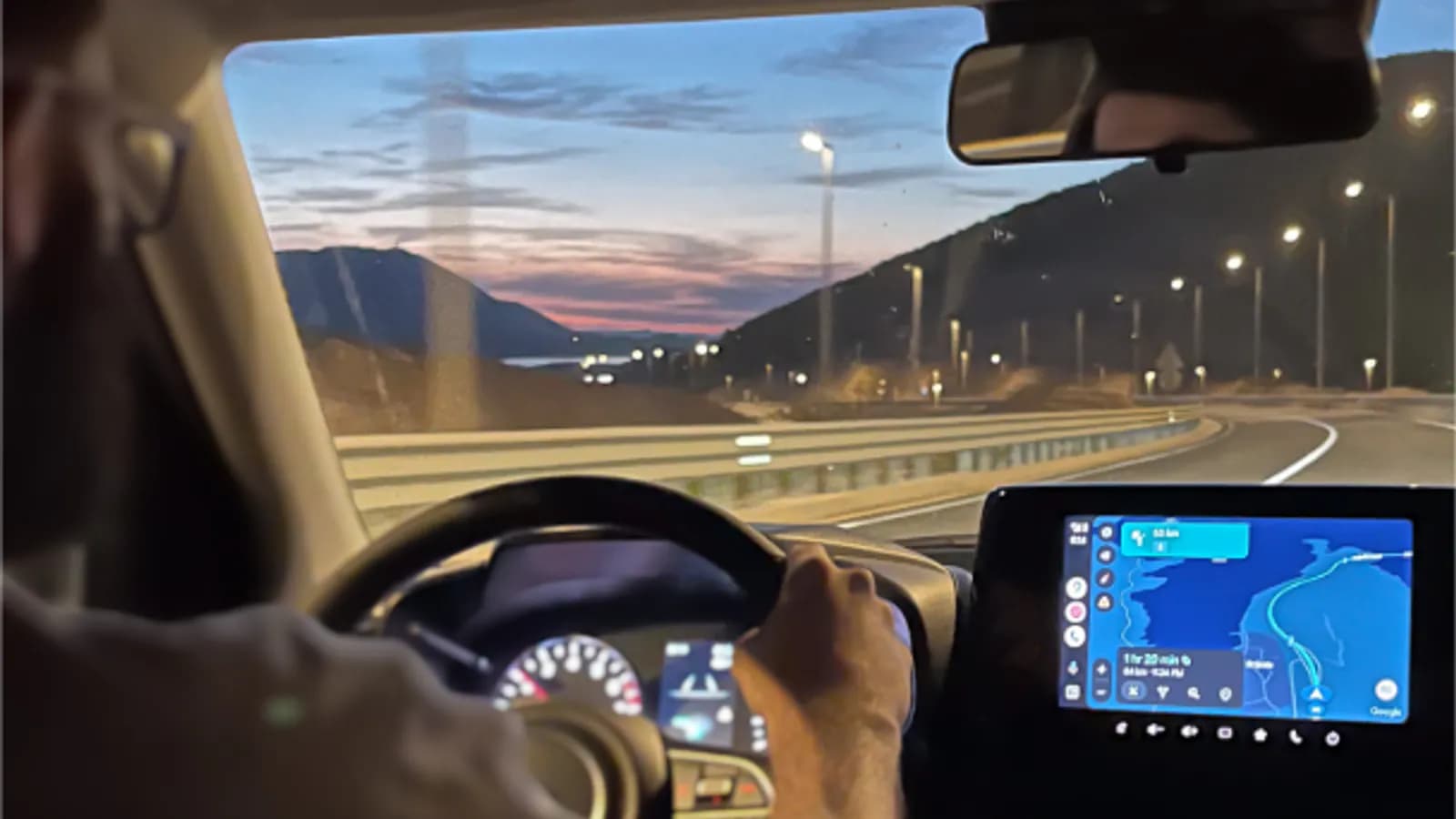
A car can be physically parked in Oregon while its certificate of title was issued by Washington, California, Idaho, Nevada, or another jurisdiction. That is common after a move, family transfer, college attendance, military relocation, or long-term storage. The location of the vehicle determines pickup logistics, but the issuing state often controls how the current owner releases the title. Those questions should be separated before a seller accepts an offer.
An out-of-state title does not automatically prevent a local Oregon sale, and an owner is not always required to obtain an Oregon title before selling. Still, the original ownership document, every required release, lien status, odometer rules, exact title brand, and buyer's intended Oregon title application can affect whether the transaction is processable. CashMyCarOregon may assign the lead to a vetted local buyer partner, but document acceptance remains subject to that buyer and the responsible motor-vehicle agencies.
QUICK ANSWER
You may be able to sell a vehicle located in Oregon using its current out-of-state title. Follow the issuing state's signature and release requirements, provide the original title and connected releases, resolve liens, and disclose mileage when required. An Oregon VIN inspection is generally part of a later application for an Oregon title, not a universal permission step for signing a sale. Lost titles usually must be replaced through the state that issued them, and junk or non-repairable brands may prevent Oregon titling.
01
BEGIN WITH FOUR FACTS: STATE, OWNER, LIEN, AND BRAND
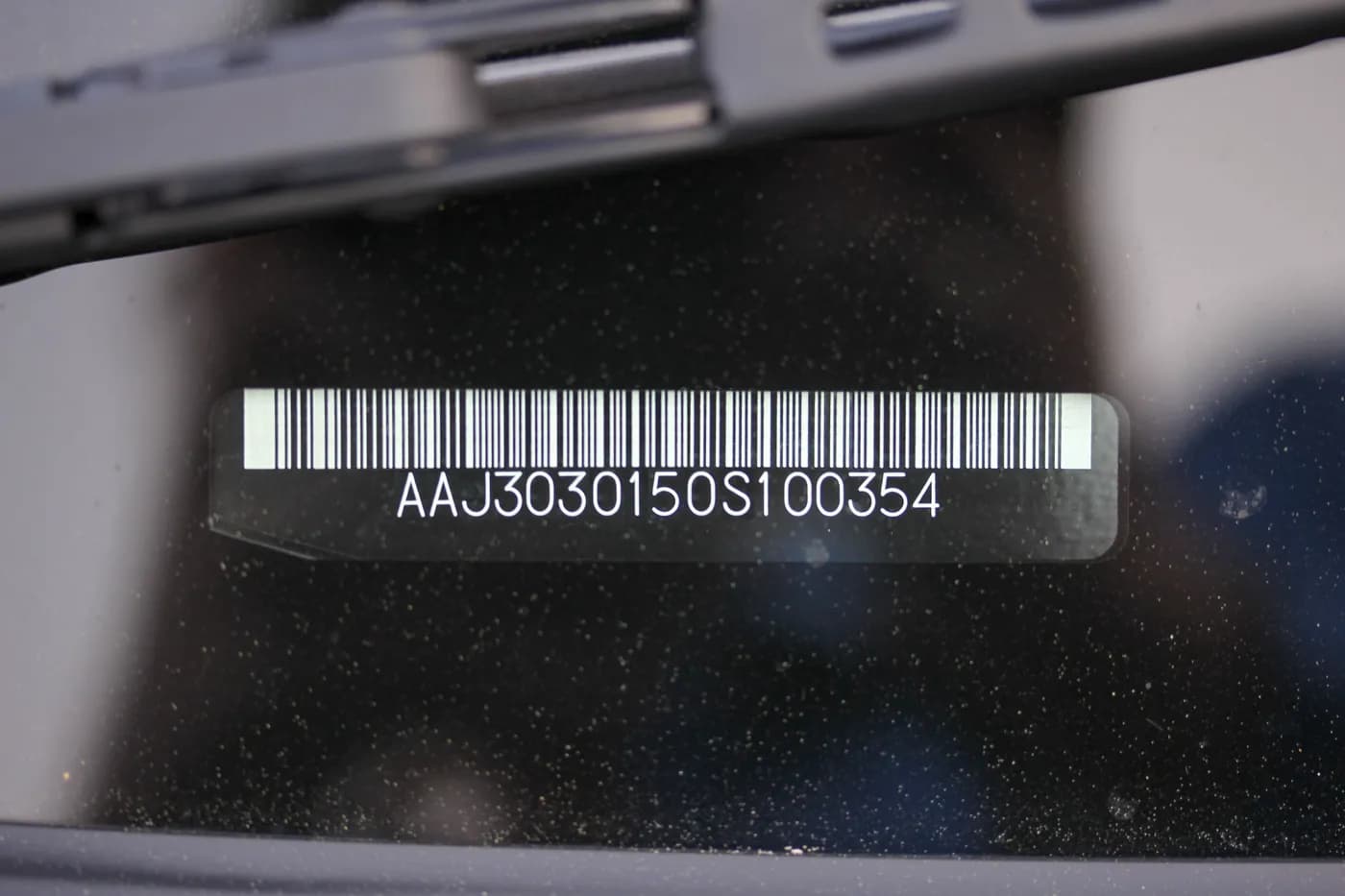
Read the original title before discussing pickup. Identify the issuing jurisdiction, every printed owner, every lienholder, and the exact brand or notation. Then compare the complete VIN with the dashboard and certification label. Do not rely on a registration card, insurance screen, license plate, or verbal description when the title gives a different answer. A clean Washington title, a California salvage certificate, and an Idaho junk document can lead to different paths.
Also ask whether the title is paper or electronic, whether the owner has changed names, whether an interim buyer exists, and whether the document was already assigned. Photograph both sides privately for preliminary review, but protect addresses, title numbers, signatures, and barcodes. If the title says junk, non-repairable, scrap, parts only, destroyed, or a similar term, quote it exactly instead of simplifying it to 'salvage.'
- Issuing state or jurisdiction
- Every titled owner
- Lienholder and payoff status
- Exact brand or document type
- VIN match
- Original, duplicate, electronic, or already assigned status
02
THE ISSUING STATE CONTROLS HOW ITS TITLE IS RELEASED
A title is created under the rules of the state that issued it. Signature locations, notarization, co-owner treatment, reassignment areas, odometer fields, lien releases, and seller notices vary. Follow the labels on the actual title and current instructions from that issuing agency. Do not combine Oregon's release method with a California signature rule or assume advice for a Washington title applies to every jurisdiction.
This is especially important when two owners appear, the title uses AND or OR, or the seller's name differs. Oregon's handbook discusses connectors for out-of-state ownership documents because the other jurisdiction's law can determine how those owners hold interest. Obtain issuing-state guidance rather than relying on a national signing diagram. If a required notarization or lien release is missing, complete it before the tow appointment whenever possible.
03
DO YOU HAVE TO GET AN OREGON TITLE BEFORE SELLING?
Oregon can generally use the current out-of-state title as an ownership document when an eligible applicant later requests an Oregon title, together with required original releases, lien releases, odometer information, fees, and VIN inspection. That means a seller does not always need to retitle the car in Oregon first. The buyer, however, may condition an offer on a document packet it can lawfully process.
The answer changes if the seller is not the person shown, the title was assigned through intermediate owners, the issuing state uses an electronic record, or the document has a restrictive brand. Oregon residency and registration obligations are separate from whether a private owner can sign a sale. Do not represent an unregistered Oregon vehicle as automatically untitled, and do not promise that a title application will succeed until the actual originals are reviewed.
04
OREGON VIN INSPECTION: WHEN IT MATTERS AND WHAT IT PROVES
Oregon generally requires a VIN inspection when an applicant brings an out-of-state-titled vehicle into the Oregon title system. The inspection compares the physical vehicle identification number with the ownership documents. It does not establish mechanical condition, appraise the car, release a lien, prove that every signature is valid, or turn a prohibited junk document into a titleable vehicle.
A VIN inspection is usually part of the Oregon title application rather than a universal prerequisite for the seller to sign an out-of-state title. Still, a buyer may require it before final acceptance.
DMV is specific about this, so there is no need to guess at it. The fee is $9. The inspection can be done by DMV itself, by a licensed Oregon vehicle dealer when you buy the vehicle from them, or by DEQ for a vehicle being emissions tested. And DMV lists out-of-state or out-of-country titled vehicles among those for which an inspection is required — so for the car this page is about, expect one rather than hoping to avoid it.
Non-running vehicles need planning, because the vehicle itself must be available to an authorised inspector — not a photograph, and not a loose VIN plate. DMV's inspection page does not address how to handle a vehicle that cannot be driven to an inspection, which is worth knowing before you promise a buyer a date: it is a question for DMV rather than one with a published answer.
05
PLAN A VIN INSPECTION FOR A NON-RUNNING OR DAMAGED VEHICLE
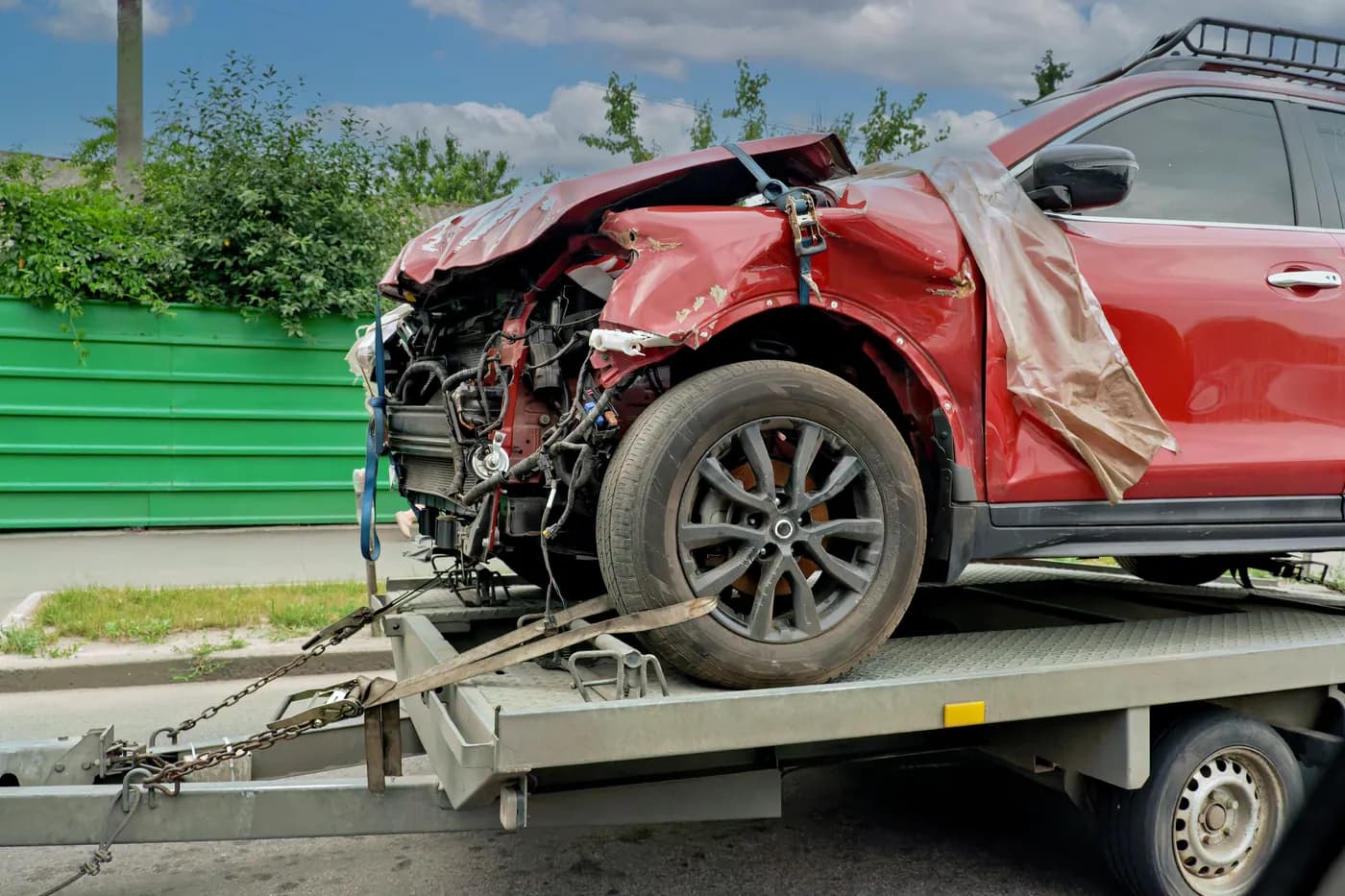
If the vehicle cannot drive, ask whether an authorized inspection option can reach it or whether it must be transported to an inspection site. Confirm steering, rolling, tires, keys, parking access, ground condition, garage height, and whether another vehicle blocks the tow path. An offer that includes ordinary pickup does not automatically include a separate inspection trip, storage movement, or specialty recovery.
Do not remove, repair, cover, or relocate a VIN label. If the public VIN is unreadable, damaged, or inconsistent with the title, pause and seek official instructions. A local buyer partner can evaluate towing access and may explain its document requirement, but cannot certify a VIN unless separately authorized. Agree in writing on who arranges and pays for any inspection or preliminary transport.
06
LOST, ELECTRONIC, OR LENDER-HELD OUT-OF-STATE TITLES
When an out-of-state title is lost or destroyed, Oregon generally directs the owner to the issuing state for a replacement. Oregon cannot simply recreate another jurisdiction's missing ownership document because the original state controls its record and lien status. Start with the issuing motor-vehicle agency, verify the owner's address and identity requirements, and request the correct replacement before promising a pickup date.
Electronic-title states and lender-held titles can require the lienholder or issuing agency to release or print the title. A payoff receipt is not always the final lien release, and a registration card is not a substitute for the ownership document. Ask the lender where the title will be sent, whose name will appear, and how long release may take. Never pay an unknown person to 'generate' a title or accept a screenshot as proof of a completed release.
07
SALVAGE, REBUILT, JUNK, AND NON-REPAIRABLE ARE NOT SYNONYMS
A salvage or rebuilt brand describes a history or status that may still permit a title process when all requirements are met. A document marked junk, non-repairable, scrap, parts only, destroyed, or with similar permanent language can be much more restrictive. Oregon DMV states that it will not issue an Oregon title for certain junk or non-repairable ownership documents. Read and report the exact wording.
Do not hide a brand during the quote or assume a local buyer can erase it. A buyer may value a repairable salvage vehicle, parts vehicle, or permanently non-titleable unit differently. The vehicle's actual condition and legal disposition both matter. CashMyCarOregon may send the information to a vetted partner suited to the request, but neither the referral nor an estimated offer changes the issuing state's brand or guarantees Oregon title eligibility.
08
ODOMETER, PLATES, AND SELLER NOTICE FOLLOW DIFFERENT RULES
Federal and state odometer requirements can apply even when a vehicle is damaged or non-running. Complete the disclosure required for the model year and document, and do not guess when a display is blank or inaccurate. The out-of-state title may contain its own secure disclosure area. Oregon's current age thresholds become relevant if the buyer applies for an Oregon title, but the issuing state may also control the seller's release procedure.
Seller-notice and plate rules are also tied to the issuing jurisdiction. Oregon's 10-day Notice of Sale requirement concerns Oregon-titled vehicles; do not assume filing an Oregon form closes a Washington, California, or Idaho record. Ask the issuing agency how to report the sale and handle plates. Keep the buyer's legal name and address, signed release, payment, pickup receipt, and proof of any notice submitted.
09
CROSS-BORDER PICKUP AND DOCUMENT REVIEW IN OREGON
CashMyCarOregon is an Oregon-focused lead and vehicle-offer service. Sellers provide the VIN, mileage, condition, location, contact details, title state, brand, and optional photos. We may assign the request to a vetted local Oregon buyer partner. That partner evaluates or confirms its offer, reviews the document information, communicates with the seller, pays after acceptance, and coordinates physical towing.
This process is useful for relocated vehicles in Portland, student cars in Corvallis or Eugene, Washington-area vehicles near The Dalles, Idaho-border vehicles around Ontario, and California-corridor vehicles in Ashland or Medford. Local pickup does not make the title an Oregon title. Share the issuing state and document condition at the beginning so the partner can decide what original records it needs before dispatch.
10
COMPLETE THE HANDOFF WITHOUT OVERPROMISING THE OUTCOME
Before pickup, confirm the legal buyer, final amount, included towing, title documents, lien release, odometer entry, plate plan, and any VIN-inspection responsibility. At handoff, compare the vehicle VIN again, complete required fields without leaving blanks, receive verified payment, and keep copies before originals leave. Record the tow operator and take dated photos showing the vehicle's condition and departure.
A buyer may discover a document issue that was not visible in a preliminary photo. The fair response is to explain the issue and pause, not to claim guaranteed acceptance. Sellers should avoid services promising an instant Oregon title for any out-of-state document. Use the issuing agency, Oregon DMV, or qualified legal help when the ownership chain, brand, identity, or authority remains unclear.
FREQUENTLY ASKED QUESTIONS
Can I sell a Washington-titled car that is parked in Oregon?
Possibly. Follow Washington's requirements for releasing its title and provide the original document, required owner and lien releases, and odometer disclosure. The Oregon buyer may also require a VIN inspection or other documents for its intended title process.
Must I get an Oregon title before selling the car?
Not in every case. Oregon can generally use a valid out-of-state title in a later Oregon application. The actual owner chain, lien, brand, electronic-title status, and buyer requirements determine whether the existing packet is acceptable.
Does the car need an Oregon VIN inspection before I sign the sale?
A VIN inspection is generally part of applying for an Oregon title, not a universal permission step for signing a sale. A buyer may make inspection a condition. Confirm timing, provider, transport, and cost before pickup.
How is a non-running vehicle inspected?
Ask an authorized Oregon inspection provider whether it can inspect at the location or whether the vehicle must be transported. Plan towing access and costs in advance. A normal pickup quote may not include separate inspection transport.
What if the out-of-state title is lost?
Contact the state that issued it and follow that agency's replacement process. Oregon generally cannot replace another state's missing title. Registration, a photocopy, or a handwritten receipt may not substitute for the required original ownership document.
Can I sell if the lender holds an electronic title?
The loan and electronic lien must be resolved through the lender and issuing jurisdiction. Ask how the lien release and title will be delivered. A payoff screenshot alone may not be enough for the buyer or DMV.
Is a salvage title the same as a junk title?
No. Salvage or rebuilt status may allow a title process under conditions, while junk, non-repairable, scrap, parts-only, or similar documents may block Oregon titling. Report the exact brand and seek official review.
Do I file Oregon's 10-day Notice of Sale?
That Oregon requirement applies to transfers of Oregon-titled vehicles. For an out-of-state title, check the issuing jurisdiction's seller-notice and plate rules. Keep proof of whichever official notice applies.
Can CashMyCarOregon guarantee acceptance of my out-of-state title?
No. We may assign the request to a vetted local buyer partner, but acceptance depends on the original title, issuing-state rules, ownership chain, liens, brands, and the buyer's lawful processing needs.
What should I send for a preliminary offer review?
Provide VIN, year, make, model, mileage, condition, ZIP, title state, exact owner names, lien status, exact brand, pickup access, and protected photos of both sides. Do not expose signatures or identity data publicly.
PRACTICAL CHECKLIST
OUT-OF-STATE TITLE SALE CHECKLIST
- Identify the title's issuing jurisdiction and exact document type.
- Match the original title VIN to the vehicle.
- List every owner, lienholder, assignment, and title brand.
- Follow the issuing state's release, signature, notice, and plate rules.
- Replace a lost title through the issuing state before pickup when required.
- Clarify whether the buyer needs an Oregon VIN inspection and who arranges it.
- Confirm odometer disclosure, legal buyer, payment, towing, and originals.
- Keep copies of every signed document, notice, payment, and pickup record.
JUNK-CAR SERVICE AREAS FOR THIS GUIDE
- Sell a junk car in PortlandReview relocated vehicle documents before Portland pickup.
- Sell a junk car in CorvallisPrepare an out-of-state student vehicle for pickup.
- Sell a junk car in EugeneCoordinate title review and towing in Eugene.
- Sell a junk car in OntarioPlan an Idaho-border title handoff in Ontario.
- Sell a junk car in The DallesReview Washington-area vehicle records near The Dalles.
- Sell a junk car in AshlandPrepare a California-corridor vehicle in Ashland.
- Sell a junk car in MedfordArrange local towing with clear title details.
- Sell a junk car in BendPlan non-running inspection and pickup access.
USEFUL OREGON RESOURCES
- Name mismatch on a vehicle titleReview owner-chain issues before a cross-state pickup.
- Lost Oregon title guideCompare replacement principles and ownership evidence.
- Oregon DMV titling and registeringReview official out-of-state title application requirements.
- Oregon DMV VIN inspectionsCheck current providers, process, and fee.
- Oregon title brands and junk vehiclesDistinguish salvage, totaled, and non-titleable documents.
OFFICIAL SOURCES
Rules, forms, fees, and program eligibility can change. Use these primary sources to confirm your situation.
- Oregon DMV: Titling and Registering Your Vehicle
- Oregon DMV: VIN Inspections
- Oregon DMV Title and Registration Handbook, Chapter F
- Oregon DMV: Title Brands and Junk Vehicles
- Oregon DMV: Odometer Disclosure
Prepared and reviewed on August 23, 2026 using current Oregon DMV titling, VIN-inspection, title-brand, odometer, and ownership-document guidance. Processing times, fees, and other states' rules can change. This article is general information, not legal advice or a guarantee that Oregon DMV or a buyer will accept a specific title packet.
Reviewed by CashMyCarOregon Editorial Team: Oregon cross-state title research and editorial review