
Every junk-car calculator produces a number in about four seconds, and the number always looks like a measurement. It is worth understanding what it actually is.
A calculator is a claim about a car that nobody has looked at. Everything it can know comes from two places: a database keyed to the VIN, and whatever you typed into the form.
Which leads to the part nobody says out loud — a large share of the number is your own description handed back to you. If you told it the car runs, the estimate assumes the car runs. So the useful question is not how accurate the calculator is. It is which parts of this number are facts, which are your own assertions, and which are guesses.
QUICK ANSWER
A calculator is an estimate, not a valuation and not an offer. It knows two things: factory data a VIN decode returns, and the answers you typed. It cannot see condition, completeness, ownership, liens or access, and it cannot verify anything you told it. Treat a large part of the output as your own input reflected back, and ask three questions of any number: what does it include, when does it expire, and what would change it. Only a reviewed written offer with disclosed terms is a decision-ready amount.
01
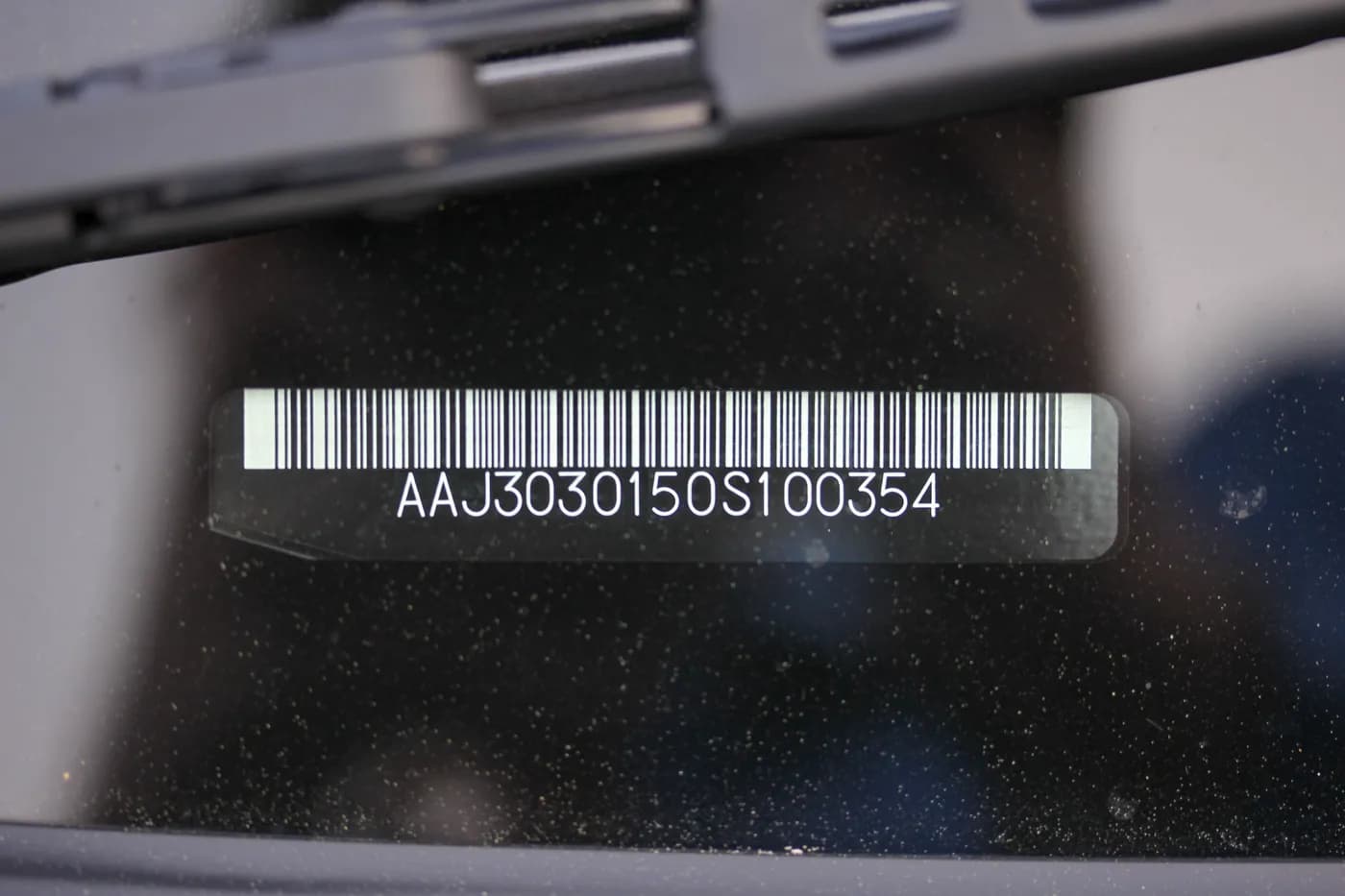
What a VIN decode actually returns
Worth being precise, because this is where estimates get oversold.
NHTSA's vPIC decoder returns manufacturer data describing basic vehicle information for regulated vehicle types. The dataset is populated from information the manufacturers themselves submit under the federal Part 565 requirements.
So it is a record of what a vehicle was built as, not a report on the vehicle in your driveway. It supplies no condition, no history, no ownership and no value. Vehicles never intended for sale or import into the United States return a limited result.
And a blank field tells you about the dataset, not about the car. That follows from where the data comes from: if a manufacturer did not submit an attribute, it is missing from the record, which is not a finding about your vehicle. Treat gaps as gaps.
Older vehicles may predate the standardised 17-character VIN entirely, in which case there is not much for a decoder to work with in the first place.
02
The blind spots, which are the expensive part
A VIN identifies many factory attributes. It cannot see a missing catalytic converter, flooded control modules, a bent frame, a locked garage, an unresolved lien, or whether the engine starts today.
A ZIP code supports route planning. It does not contain a secret fixed price for every car in that city. It tells a system roughly how far a truck must travel, not what is in your driveway or whether a flatbed can reach it.
Every item on that list is a thing that changes a real offer, and not one of them is knowable from the two inputs a calculator has. That is not a flaw in a particular tool. It is the boundary of the method.
03
Read the number in three layers
The honest way to use an estimate is to take it apart rather than to trust or dismiss it whole. A good calculator separates these itself; with one that does not, you can separate them yourself.
Known data. What the VIN decode returned — the factory identity of the vehicle. This part is solid and it is also the part that matters least to a junk-car price.
Your own reported facts. Whether it runs, what is damaged, what is missing, the title status, the mileage. The estimate treats these as true because it has no way not to. This is where most of the number comes from, and its accuracy is yours rather than the tool's.
Uncertainty and terms requiring review. Access, local parts demand, what the figure includes, and everything nobody has verified. This is the part that moves when a human being finally looks.
Reading it this way changes what a disappointing estimate means. A low number may be telling you that you described the car cautiously, not that the car is worth little.
04
Three questions to ask of any estimate
What does it include? Specifically, whether towing is inside the figure or comes off it later. Two numbers are not comparable until you know this, and it is the most common reason a higher estimate turns out to be worth less.
When does it expire? An estimate reflects a moment — parts demand, metal markets and local routing all move. A number with no shelf life attached is a number nobody is standing behind.
What would change it? A responsible answer is specific: vehicle identity, title or lien status, missing major parts, undisclosed damage, location, towing access. A vague answer means the figure was never a commitment.
And ask what the tool actually covers — its geography, how current its data is, and whether its number assumes processing costs it has not told you about.
05
What you hand over to get a number
An estimate is not free; it is paid for in information, and it is worth being deliberate about that.
A VIN, a ZIP and honest condition answers are enough to produce a useful range. That is a reasonable trade.
Photographs of your title, your address, your signature and your policy details are not required to estimate a car, and there is no reason to attach them to a form that is only producing a ballpark. Those belong in a transaction with an identified buyer, not in a lead form.
Be wary of a tool that will not show a number until it has your contact details, and more wary of one that produces a suspiciously high figure and then asks for more. A calculator that behaves like a hook is a hook. There is a separate page on the patterns worth recognising, linked below.
06
The difference between an estimate and an offer
An estimate is a starting range produced by software. An offer is a commitment made by an identified buyer who has reviewed the specifics. Only the second is a decision-ready amount, and only the second can be accepted.
With CashMyCarOregon, the request goes to a local buyer who confirms the evaluation and completes the agreed transaction, and towing is included with an accepted offer inside the confirmed service area. An offer changes only when material facts differ from what was submitted — vehicle identity, title or lien status, missing major parts, undisclosed damage, location or towing access — and you can decline a changed offer before the vehicle is transferred.
Which is the practical reason to describe the car accurately at the estimate stage. The gap between an estimate and the final figure is mostly the gap between what you said and what is true. Close that yourself and the two numbers converge.
FREQUENTLY ASKED QUESTIONS
How accurate is a junk car value calculator?
As accurate as what you told it, mostly. It knows factory data from the VIN and the answers you typed, and it cannot verify either against the actual car. A large share of the output is your own description reflected back, which makes accuracy partly yours rather than the tool's.
What does a VIN decoder actually tell you?
NHTSA's decoder returns manufacturer-submitted information describing the vehicle as built, for regulated vehicle types. It supplies no condition, no history, no ownership and no value. It is a record of what the car was, not a report on what it is now.
A field came back blank. Does that mean my car lacks that feature?
No — it means the record does not contain it. The dataset is populated from what manufacturers submit, so a gap describes the data rather than the vehicle. Treat blanks as unknowns, not as findings.
Why does the calculator not ask about my catalytic converter?
Many do not, which is a real limitation, because it is one of the largest single factors in a junk-car offer. A VIN cannot see whether it is still there. If a form does not ask, say so anyway in whatever free text it gives you.
Can a ZIP code determine what my car is worth?
No. It supports route planning and reflects regional parts demand in a broad way. It does not contain a fixed price for every car in that city, and an estimate built mainly on a ZIP is worth very little.
Why is the final offer different from the estimate?
Usually because something material differed from what was submitted — identity, title or lien status, missing major parts, undisclosed damage, location or access. The gap between an estimate and an offer is mostly the gap between what was described and what is true.
Is an online estimate a guaranteed payment?
No. It is a starting range from software. Only a reviewed written offer from an identified buyer, with its terms disclosed, is an amount you can act on.
Should I upload my title to get an estimate?
There is no need. A VIN, a ZIP and honest condition answers produce a useful range. Title images, addresses, signatures and policy details belong in a transaction with an identified buyer, not in a form generating a ballpark.
The estimate seems low. Is my car worth that little?
Possibly, but check your own inputs first. A cautious description produces a cautious number, and a missing detail in either direction moves it. It is also worth reading what actually sets a junk-car price, which is a separate question from what a tool can know.
What is the single most useful thing I can do?
Describe the car exactly, including what is broken and what is missing. Everything the tool cannot see, you can supply — and the accuracy of the number is mostly the accuracy of that description.
PRACTICAL CHECKLIST
Using an online estimate well
- Enter the full 17-character VIN rather than year and model
- Answer condition questions accurately, including the unflattering ones
- Say what is missing — converter, wheels, battery, keys
- State the title status and any lien plainly
- Describe access, since no tool can see it
- Ask whether towing is inside the figure
- Ask when the estimate expires
- Ask what specifically would change it
- Do not attach title images or personal documents to get a ballpark
- Treat only a reviewed written offer as a real amount
JUNK-CAR SERVICE AREAS FOR THIS GUIDE
- Junk car estimates in PortlandPortland review with condition and access.
- Junk car estimates in GreshamEast metro review and collection.
- Junk car estimates in BeavertonCompare the net payment, towing included.
- Junk car estimates in HillsboroTitle and condition reviewed locally.
- Junk car estimates in SalemSalem valuation in any condition.
- Junk car estimates in EugeneRunning or not, assessed the same way.
- Junk car estimates in BendRoute and loading access included.
- Junk car estimates in MedfordLocal review and pickup.
USEFUL OREGON RESOURCES
- How Much Is a Junk Car Worth in Oregon?What actually sets the price, as opposed to what a tool can know.
- Selling a Non-Running Car in OregonCondition and title are two separate axes.
- How to Check an Oregon Junk Car BuyerIncluding the estimate-as-hook patterns.
- How to Sell a Junk Car in OregonThe whole process, from estimate to notice of sale.
OFFICIAL SOURCES
Rules, forms, fees, and program eligibility can change. Use these primary sources to confirm your situation.
- NHTSA vPIC: VIN Decoder
- NHTSA vPIC: Vehicle API Documentation
- NMVTIS: System Overview
- Oregon DMV: Title Brands and Junk Vehicles
Prepared and reviewed on September 8, 2026 against NHTSA vPIC decoder and API documentation, NMVTIS material and Oregon DMV title-brand rules. NHTSA's decoder returns manufacturer-submitted vehicle information; it supplies no condition, history, ownership or price. No online estimate can confirm the condition, ownership or pickup requirements of a vehicle nobody has seen. General information for vehicle owners.
Reviewed by CashMyCarOregon Editorial Team: Oregon vehicle seller research and editorial review